

Would compulsory voting empower Galway’s disaffected citizens?


Bradley Bytes – A sort of political column by Dara Bradley
There’s a housing estate in Tuam where a third of all residents are not registered to vote.
Galway County Councillor Karey McHugh Farag (Ind) made the revelation at a local authority meeting.
She discovered that, during last year’s Local Election to County Hall, some 33% of households in Tuam’s Palace Fields were not on the Electoral Register.
There are almost 300 homes in the estate. With at least one adult living in each, that works out at 100 people who were eligible to vote, but who were not registered. They had no say in who represented them on Galway County Council.
That’s a shocking level of disconnect. And a scary level of apathy.
It is an extreme example, but not isolated.
Councillors and would-be councillors in the city have encountered similar situations in all three Local Electoral Areas.
Canvassers usually carry marked registers, telling them which homes have voters in them. This is useful to avoid wasting time on doorsteps of those who cannot vote. Why take an earful off someone who is not registered? If they were that bothered, they’d register.
Often that means canvas teams skip one door in every four or five in Galway City.
In Tuam, Councillor McHugh Farag suggested the County Council should post leaflets to households not on the register, encouraging them to sign up.
She said newspapers and online adverts about joining the Electoral Register have their place. But people who read newspapers, in print or online, tend to have an interest in politics and are more likely to be already registered to vote.
So, she suggested a targeted leaflet-drop to every household that was not on the register. Maybe that would help. Perhaps someone from the Electoral Commission cold-calling to their doors and signing them up would be an option, too.
But if a third of people aren’t registered to vote and more than a third of people who are registered to vote don’t vote, it means a sizeable chunk of the population have no say in how this country is run.
That leads to disenfranchised apathy. A feeling of ‘why bother, they’re all the same?’.
Indifference and disengagement from the political process can bring social problems.
Locally, the disconnect between the elected – and unelected officials – at City Hall and the citizens of Galway, can manifest itself in relentless negativity on social media, directed at councillors and the City Council.
If not addressed, political disengagement contributes to societal breakdown and anti-social behaviour.
If you don’t feel like you can participate meaningfully in the political system, or if you don’t feel like your voice and vote can effect change, then you’ll seek alternatives.
You’ll ignore the rule of law. You’ll join political conspiracist organisations. You’ll be attracted to the far-right’s simplistic, dangerous narratives.
In Australia, voting is compulsory. Citizens who are registered to vote are fined if they don’t do so without having a valid reason. Maybe we should consider it here.
In the meantime, check the register. And if you’re not on it, register or update your details before October 7 to vote in the Presidential Election on Friday, October 24. Your country needs you.
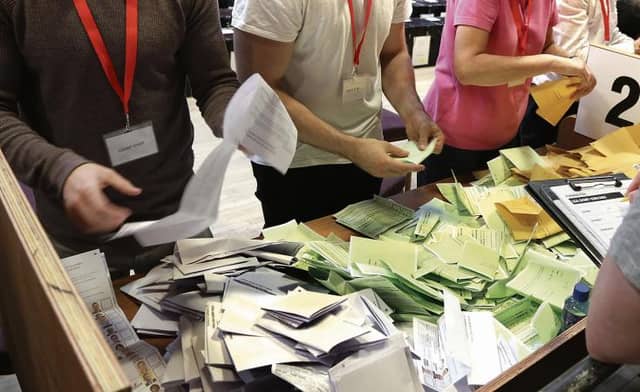
Pictured: If you want a say in how the country is run, it's important to sign up to the electoral register and vote. PHOTO: JOE O'SHAUGHNESSY.