

Doctors warning deficient GP referral letters causing diagnosis delays at Galway hospital
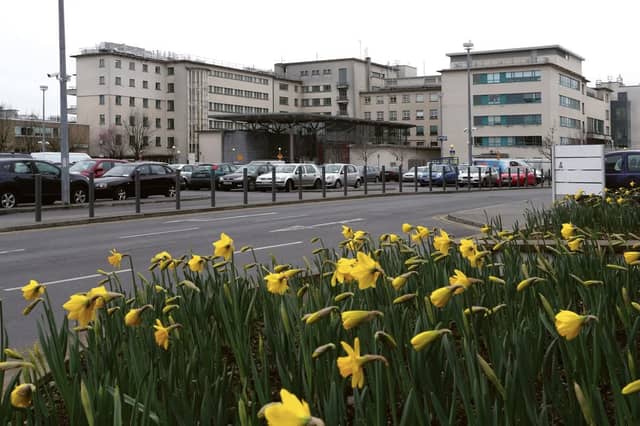

Research by medics at UHG revealed that most referral letters received by the emergency department were missing some clinically relevant information
Failure by GPs to include important information in letters referring patients to University Hospital Galway (UHG) is hindering the work of doctors and causing delays in diagnosis, a new study has suggested.
Research conducted by medics at the hospital revealed that most referral letters received by the emergency department were missing some clinically relevant information.
Nearly two-thirds of the letters reviewed over a two-week period failed to include a likely diagnosis for the patient being referred, while 57% made no specific request of the emergency department.
Only 40% of the letters included details of the patient’s vital signs, and the authors of the study suggested that these omissions risked hindering triage accuracy, delaying diagnoses, and impacting patient flow.
The study speculated that the reasons for failing to include such details in referral letters could include administrative burden and the workload of GPs, “who do not have sufficient time to review a patient” but recognise that they require onward referral.
The research, which was published in the latest issue of the Irish Journal of Medical Science, also found that 42% of referrals originated within 5km of UHG, with injuries (13%), abdominal pain (12%) and infections (8%) the most common reasons cited.
While only 43% of referral letters included a specific request, the most common of these was imaging (34%), followed by review by a specialty team (31%). The most frequently requested type of imaging was X-ray (59%).
The authors of the study called for better communication between GPs and emergency departments, claiming that adequate documentation would likely improve efficiency, accuracy, and the flow of patients through hospitals.
They said the inclusion of important information in referral letters would “expedite the clinical journey from the front door”, while letters lacking sufficient details do not add value to the patient’s care.
“In general, effective communication between GPs and EDs is vital for patient safety and continuity of care, and should be prioritised by both hospital and community-based healthcare providers,” they wrote.
“The reasons for a lack of documentation are not described in this study, but could centre on administrative burden, and busy GPs who likely do not have sufficient time to review a patient, recognise they need onward disposition to the ED, and generate a letter to match that need in a timely fashion before the next patient knocks on the door.”
They also acknowledged that communication from hospitals is also often inadequate, with GPs reporting “mixed satisfaction” with letters, and others claiming that no letter at all was received following a patient’s attendance in an emergency department.