

Galway primary pupils suffer from overcrowded classrooms

Almost half of all primary school pupils across Galway city and county are in classrooms with 25 students or more – two and a half more than the Irish average and even further ahead of the European average of 19 per room.
That’s according to the Irish National Teachers’ Organisation as it demands what it calls ‘urgent government action to ensure our children receive the education they deserve’.
The figures figures that primary school class sizes in Ireland are the largest in the European Union, averaging 22.5 children per class.
But Galway is ahead of that curve, with a total of 13,201 pupils – or 45.03 per cent of all primary school children – are being taught in classes of 25 pupils or more.
INTO President Anne Horan said that the upcoming budget represented ‘the first real measure of the current coalition Government’s commitment to supporting primary and special education’.
“From the inadequate funding of our schools, overcrowding in our classrooms, the lack of support to maintain our cherished small schools and the need to scale up our support for the delivery of special education, we simply must do better,” she said.
Our Children Our Future, the INTO’s pre-budget submission – which Ms Horan said was ‘informed by the voices of our members and fully costed’ – sets out strategic priorities through which government support in the upcoming budget would have a transformative impact on the delivery of primary and special education nationwide.
“The current capitation grant, set at €224 per pupil, falls short of what many schools need to operate, forcing teachers and parents alike to strive to raise the funds to cover basic necessities like electricity, cleaning, and teaching resources,” she said.
The INTO wants government to increase the primary capitation grant by €75 per pupil, the chief source of funding for our schools, ensuring that all children can access a fully resourced and equitable education system.
The union also wants to see a reduction in in class sizes which Ms Horan said ‘would allow teachers to better respond to the needs of their classes, with pupils receiving more individual attention and allowing for more effective teaching and support to be provided’
“The INTO is calling for the government to take decisive action on this issue in Budget 2026 and deliver on its commitment, as stated in the Programme for Government, to bring class sizes in line with the European average of 19 pupils by ensuring a two-point reduction in class sizes is put in place from September 2026,” said Ms Horan.
“Fostering social connections among pupils, teachers and parents alike, small schools are often the cornerstones of strong, sustainable rural communities,” she added.
“A long running pilot, undertaken by the Department of Education and Youth has shown us how we can help. Providing access to shared administrative support allows small schools to access the support they need and needs to be rolled out nationwide.”
She said that the Programme for Government highlighted a clear commitment to support students with special educational needs through all educational settings.
“The INTO is calling for the formal introduction of Special Educational Needs Coordinators, ring fenced assistant principal leadership roles focussed on supporting schools in providing the best possible standard of education for pupils with additional needs, ensuring that our education system is truly inclusive and accessible to all,” said Ms Horan.
“Budget 2026 presents an opportunity for the government to follow through on their commitments and deliver positive change and progress through considered, informed action. Teachers across the country will be watching.”
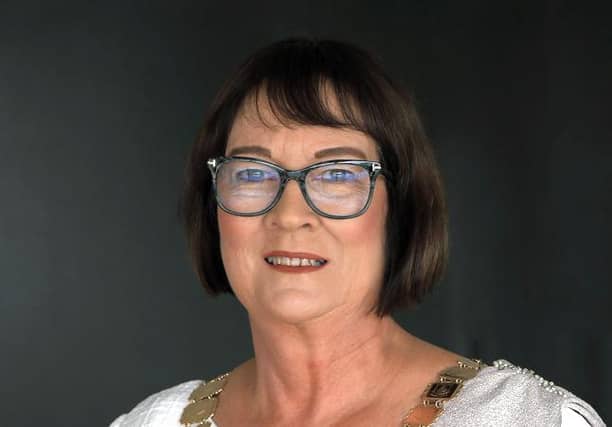
Pictured: Submission...INTO President Anne Horan.