

State to plant 2,000 native trees in Connemara in bid to restore ancient habitat
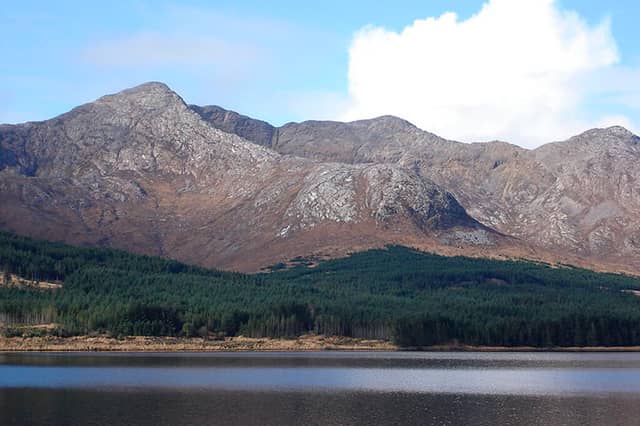

Remnant ancient woods in the Galway beauty spot are suffering severe degradation from overgrazing by deer and invasive plant infestations
Around 2,000 native trees are to be planted across a one-hectare site in Connemara in an effort to restore rare ancient oak habitats that have fallen into “bad and declining” condition.
The state-backed project will see 75% sessile oak planted with a mix of holly, rowan, birch, and hazel along the banks of the Owenbrin River at Tievebaun, within the Twelve Bens/Garraun Complex Special Area of Conservation.
The national conservation status of old sessile oak woods is officially ranked as bad and declining, with remnant ancient woods in the Galway beauty spot suffering severe degradation from overgrazing by deer and invasive plant infestations.
An environmental assessment by the Department of Housing, Local Government and Heritage warns of an “urgent need to restore and expand existing old sessile oak woods”, and reestablish this habitat in the area and nationally.
The project was referred to the department’s Ecological Assessment Unit for environmental screening earlier this year, and has now received formal approval.
Ecologists determined that the planting programme represented a “necessary conservation measure” that directly aligns with the environmental management of the protected site.
Under the planting blueprint, approximately 1,500 sessile oak trees will be introduced across two distinct plots, with seed stock sourced locally from Derryclare Wood, an established nature reserve located on the north shore of Derryclare Lough.
The two planting plots will be bisected by an Electricity Supply Board (ESB) setback corridor, comprising a 20-metre wayleave for overhead cables and a 30-metre exclusion zone from nearby buildings.
All 2,000 trees must be planted entirely by hand between September and February, with heavy machinery barred from entering the site to avoid damaging sensitive ground.
Due to intensive grazing pressures in the area, a deer exclusion fence will be erected around the full perimeter, subject to securing a forestry licence from the Department of Agriculture, Food and the Marine.
Departmental ecologists noted that the trees would provide stream bank protection, erosion control, and reduced acidification along the Owenbrin River catchment, while enhancing prey diversity for protected raptors including merlin and peregrine falcons.