

How everyday life affects air quality in your home
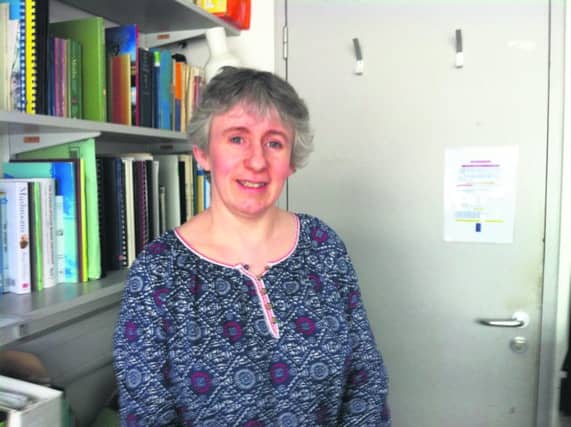

In 2014, the World Health Organisation released new data that attributes one in eight of total global deaths to air pollution exposure, according to NUI Galway researcher Dr Miriam Byrne.
In particular, the data revealed a stronger link between both indoor and outdoor air pollution and cardiovascular diseases such as strokes and ischaemic heart disease, as well as between air pollution and cancer.
These findings are in addition to air pollution’s role in the development of respiratory diseases, acute respiratory infections and chronic obstructive pulmonary diseases.
“While most of these deaths occur in developing countries where air pollution levels from vehicle and industrial sources are very high (cooking on open fires is also a major air pollution source in these countries), these data highlight that air pollution is the world’s largest single environmental health risk,” said Dr Byrne who lectures in the Physics Department in NUI Galway and is engaged in interdisciplinary research on indoor air pollution.
“Buildings are leaky structures as far as air pollution is concerned, so while one is indoors (and populations in developed countries spend a lot of time indoors – up to 90% of their time), it is important to realise that one is exposed to outdoor air pollution from traffic and industry sources that has leaked in, as well as to air pollution generated indoors from cooking, smoking, pets, plants, etc.,” she said.
The 2014 data released by WHO is based on more knowledge about the diseases caused by air pollution, as well as better assessment of human exposure to air pollutants through the use of improved measurements and technology, which has enabled scientists to make a more detailed analysis of the risks from a wider demographic spread.
A total of 3.3 million deaths were linked to indoor air pollution in 2012, and 2.6 million were linked to outdoor air pollution.
According to the data, 34% of those who died of indoor air pollution died of a stroke; 26% suffered from ischaemic heart disease; 22% died from Chronic Obstructive Pulmonary Disease (COPD); 12% from acute lower respiratory infections; and 6% died of lung cancer.
The key to improving the quality of the air in our homes, according to Dr Byrne, is “making sure that there is adequate fresh air; so windows and vents should be opened where possible – and when it is sensible to do so. If you live on a busy street, it is not a good idea to open your window at the height of rush hour!”
WHO recommendations, released in November, also highlight the dangers of burning fuels like unprocessed coal and kerosene in the home, and set targets for reducing emissions of health-damaging pollutants from domestic stoves, heaters and fuel-based lamps.
“Extractor fans should be used when cooking and showering. Drying of clothes indoors should be avoided (not easy in Galway!) as this can lead to mould growth on walls,” Dr Byrne advised.
Dr Byrne’s extensive research into air pollution began with a strong interest in environmental physics during her undergraduate degree. She followed her undergrad with a Masters degree at NUI Galway, where her skills in laboratory-based aerosol studies were honed, before carrying out a PhD study at Imperial College in London.
Her PhD study aimed to discover “how radioactive particles from a nuclear accident such as Chernobyl might affect householders as these particles could leak into homes,” she explained, saying this was how she first began studying indoor air pollution.
This has led to many interesting research studies for Dr Byrne such as: investigating indoor air quality before and after energy retrofitting a house; examining the influence of pets on dust mite numbers in the home; and modelling the movement of air pollution between different rooms in the house by studying the effect an adult smoking in the living room can have on a child sleeping in an upstairs bedroom.
In fact, Dr Byrne’s current area of research involves measuring indoor air quality in retrofitted, energy-efficient homes. Her latest study involves 60 Irish homes and how human behaviour affects indoor pollution levels, and is being conducted with the help of numerous other researchers who Dr Byrne acknowledges.
“I would like to acknowledge many colleagues, especially Professor Gerry Jennings, NUI Galway, and the late Professor Tony Goddard, Imperial College, who trained me in air pollution science, and co-workers Dr Maurice Mulcahy, Dr Ann McDonagh, Dr James McGrath, Dr Marie Coggins, Aine Broderick and David Clarke, who have contributed greatly to research successes in recent years,” she says.
More about Dr Byrne’s research into indoor air pollution can be found on the Ryan Institute for Environmental, Marine and Energy Research new podcast channel which can be found on iTunes.