

Planning, egg counts, product selection and a chat with your vet are advised before housing

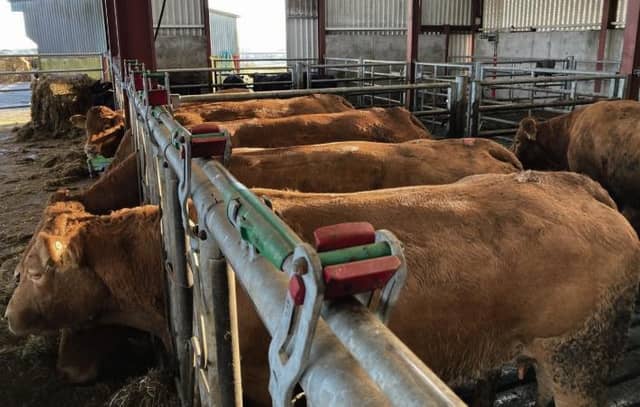

AS the cattle housing season approaches, farmers have been advised by a Teagasc specialist to give their animals a better chance to perform better over the winter with a parasite treatment plan.
Teagasc Beef Specialist, Niall Kerins, said that cattle usually pick up internal parasites [such as fluke and lung worm] at grazing while external ones like lice and mites thrive in sheds.
“Treating animals who have a parasite burden at housing can reduce the negative effect on health and performance – provided the product works effectively.
“This year, especially given the mixed weather conditions over the past few months, there may well be a build-up of internal parasites that require treatment at housing.
“Effective treatment means cattle are virtually free of worms and liver fluke until they go back to grass,” Niall Kerins advises in the September-October edition of the Teagasc magazine, Today’s Farm*.
He points out that lungworm is a very common internal parasite which can be a problem for all categories of livestock – if a large proportion of the herd are coughing at grass, this can be an indicator of lungworm, which can’t be detected in a standard faecal egg test.
According to the Teagasc specialist, treatment for lungworms is widely available in the form of oral drenches, injections and pour-ons with most of those products also effective against gut worms and round worms.
As regards liver fluke, Niall Kerins advises that faecal egg testing and reviewing beef health reports are the most effective steps to detect the presence of fluke in herds.
“Be mindful – faecal samples only reflect the presence of mature liver fluke – a negative sample does not always mean that an animal is free of fluke.
“There are several products to treat fluke. Triclabendazole is the only active ingredient available on the market to treat all stages of fluke while other products may treat one or two stages of the liver fluke cycle,” states Niall Kerins.
External parasites such as lice and mites can spread quickly after housing and farmers should keep an eye out for hair loss and excessive scratching around gate posts – again pour-on and injectable products are available to treat these.
Niall Kerins also recommends the clipping of animals along their backs before pour-on products are used – clipping also keep body temperature lower during mild weather conditions.
In general, before selecting a product, the Teagasc Specialist advises that there is no one product which can treat everything on your farm with antimicrobial resistance becoming a major issue on farms.
“Consult with your vet on best practice for dosing products. Rotate different dosing products to prevent resistance building up.
“Some products may have a different name but contain but contain the same active ingredient. Selecting a product with a different active ingredient will help prevent antimicrobial resistance. Only use combination products if it is necessary to treat multiple parasites.
“Products can have varying withdrawal times so be conscious of this if using products on cattle intended for finishing. Of course, after getting a clean start at housing, animals will almost certainly finish sooner,” says Niall Kerins.
* ‘Give your stock a clean start before winter housing’ can be read in full in the latest edition of the Teagasc ‘Today’s Farm’ magazine.