

Digitised archive paints picture of three centuries of Galway life
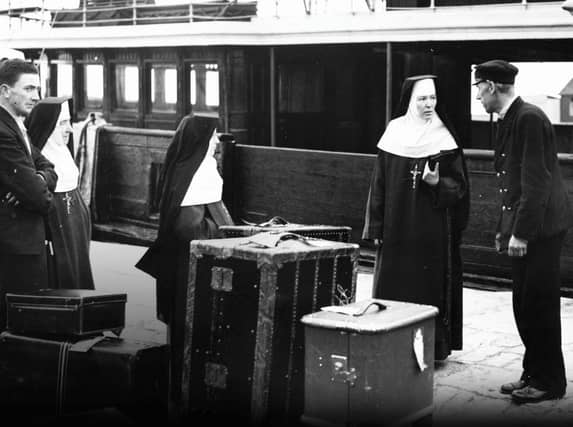

A veritable treasure trove of photographs and sketches – offering a snapshot of life in Galway and the west over three centuries – has been digitised and put online for all the world to see.
The Galway pictures are part of a core collection from Getty Images and cover events from the Land Wars to the 1916 Rising – while also depicting every day rural life in Ireland.
The digitisation is the work of Ancestry, a global leader in family history and consumer genomics, and covers an enormous period of Ireland’s history from 1704 right up to 1989.
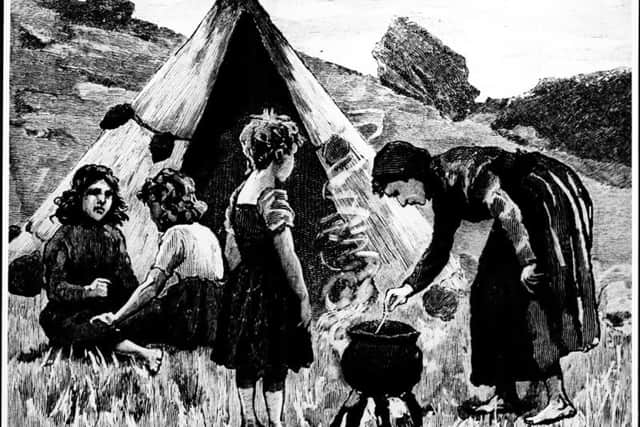
The sketches, original black and white prints and photos from the Getty Collection can be viewed at UK, Historical Photographs and Prints, 1704-1989.
Searchable by location, date and subject, many of the images also have detailed captions including full names and print subject, making them an invaluable resource for family research and photography enthusiasts alike.
The collection’s timespan covers prints from the Land Wars of the late 1800’s, photos from both WWI and WWII, the 1916 Rising and the sinking of the Lusitania.
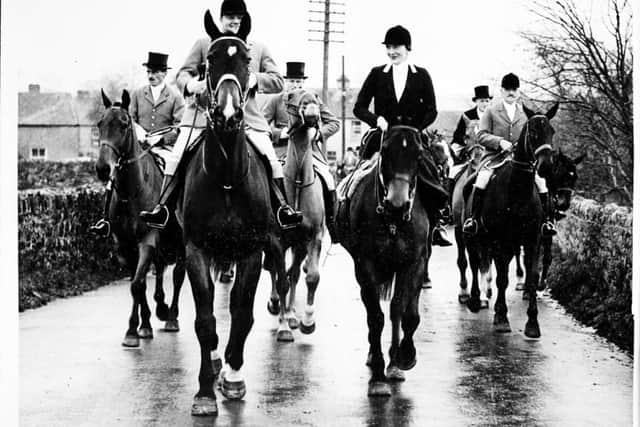
But the Getty Images Collection also contains a wealth of captivating everyday insights, documenting a continuously-evolving Irish society, sparked by innovation, social and cultural progress – daily life in rural Ireland, women in the workplace, holidays and socialising.
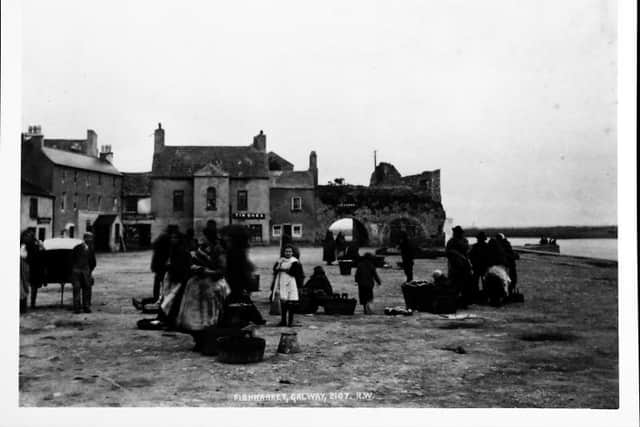
The Galway entries cover everything from the darkest days of rural evictions, through to images of the 19th century fishmarket at the Spanish Arch – and transatlantic liners leaving Galway docks at the height of World War II.
Getty Images was founded by Mark Getty, grandson of oil tycoon Paul Getty, and business partner Jonathan Klein and contains prints and photographs that capture some of the most defining moments in history, as well as displays of everyday life. Ancestry’s main collection is drawn from the Hulton Archive which includes the archive of seminal picture news weekly Picture Post, which ran between 1938 and 1957.
Users can access the collection for free over Easter by visiting www.ancestry.co.uk between Friday and Monday.
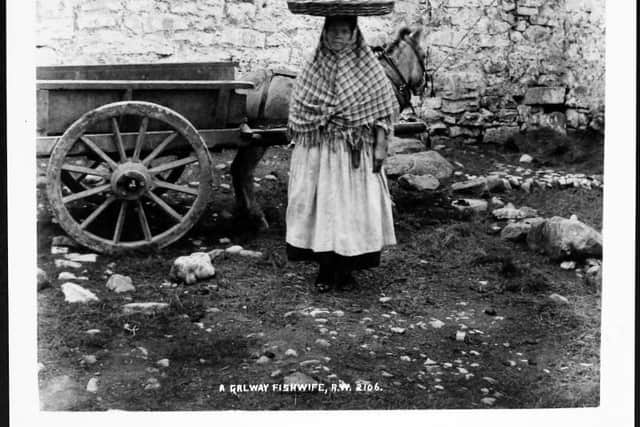
Ancestry’s Russell James described the collection as ‘a historical reminder of an ever-changing world, as seen through the lens of photographers working for the most famous name in the field’.
“Scenes of children playing, families visiting a local fair or long-forgotten hobbies are just as invaluable as written records for understanding our ancestors,” he said.
“Captured forever in time, these black and white prints and photos are a journey through the decades and document almost every aspect of life, from daily routines through to occasions of national celebration,” he added.
Ancestry harnesses the information found in family trees, historical records, and DNA to help people gain a new level of understanding about their lives.
Ancestry has more than 2.7 million paying subscribers across its core Ancestry websites and seven million people in the AncestryDNA network.