

NUIG professor wages war on MRSA
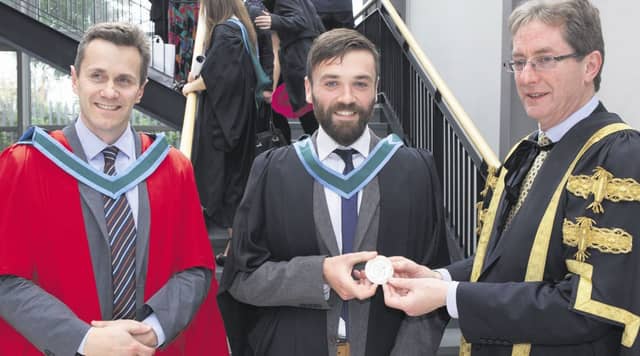

A new discovery which reveals how bacteria cling to the surfaces of medical devices could have potential to significantly reduce infections from devices like catheters and other lines inserted into the body.
The Health Research Board-funded research, published this week in The Journal of Infectious Diseases, was conducted by Professor James O’Gara in NUI Galway and Dr Eoghan O’Neill in the Royal College of Surgeons in Ireland.
“We’ve discovered a new way that bacteria can attach themselves to the walls of a medical device and create a protective coating that stops our immune system and antibiotics from attacking them,” explained Prof O’Gara, who works in the Department of Microbiology at NUI Galway.
“MRSA can secrete an enzyme, called coagulase, that converts a component of our blood, fibrinogen, into fibrin. Fibrin is the protein that helps our blood to clot. This then acts as a scaffold onto which the bacteria attach themselves to the walls of the device, usually a plastic tube or catheter, and they also create a protective barrier with the fibrin that keep out antibiotics and our own immune system,” he said.
Dr O’Neill said the research team has tested some drugs that are known to break up blood clots and have found that they can break up the biofilms protecting these dangerous bacteria.
“This opens the possibility of us getting in early and disrupting the bacteria in the initial stages of an infection. When we break up the biofilm, we expose the bacteria to the patient’s own immune system response as well as allow us to try antibiotics against it,” he said.
The chief executive at the HRB, Dr Graham Love, said the discovery could make a significant global contribution to reducing device-related infections in hospitals
“This is the second major discovery by Professor O’Gara and Dr O’Neill and their teams at NUIG and the Royal College of Surgeons about how bacteria form biofilms. They are world leaders in their fields and the HRB is determined to keep them, and researchers like them, in Ireland.
“We are committed to creating the right environment in which people can both conduct top quality health research, and quickly convert those findings into new advances in patient care and patient outcomes,” he said.