

Teagasc puts practical steps in place to help reduce harmful GHG emissions

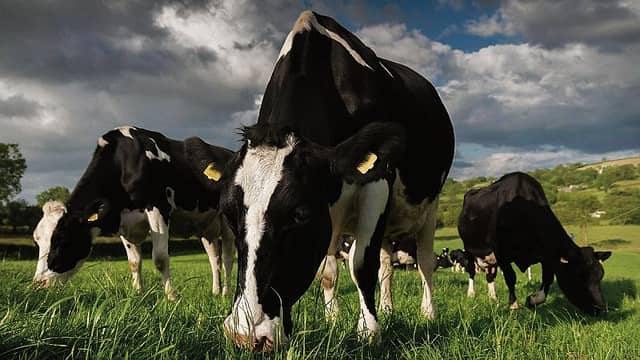

DAIRYING is considered to be the most intensive and efficient farming enterprise across the country but they are also coming under scrutiny in terms of GHG (Greeenhouse Gases) emissions.
With that in mind Teagasc, has put in place a Signpost Programme on dairy demonstration farms which outlines a dozen practical steps that dairy farmers can put in place to reduce their GHG emissions.
According to the Teagasc research, the farmers participating in the Signpost Programme ‘are on target’ to reduce their emissions through ‘a series of actions and adjustments’ to their farming systems.
Progress on the Signpost Programme is outlined in the latest edition of the Teagasc TResearch Winter 2023* magazine, in an article compiled by researchers, Síobhán Kavanagh, Cathal Buckley, Tom O’Dwyer and Brian Moran.
The baseline year for data collection in the programme was 2021, with specific on-farm changes to reduce emissions tracked over a five-year span up to and including 2025.
“Considerable progress has been made on the Signpost dairy farms to implement the 12 steps [to achieve emissions’ reductions].
“There is more potential to further reduce total GHG emissions on the Signpost farms by reducing chemical nitrogen use and increasing the proportion of their chemical N applied as protected urea.
“The data from beef, sheep and tillage enterprises is currently being analysed and will be available over the coming weeks,” the TResearch article points out.