

Child smoking declines but school stress rises
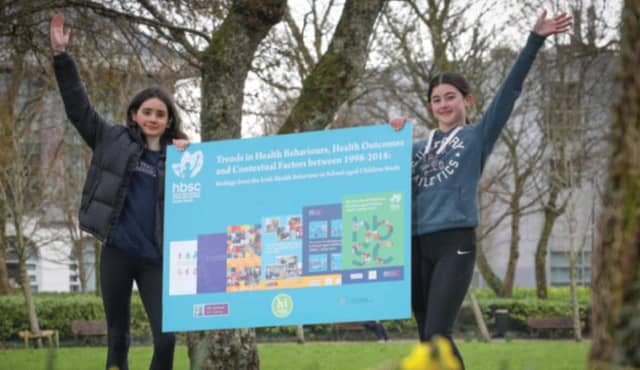

The percentage of school-going children who smoke has nosedived over the last twenty years – but the numbers feeling low, or under pressure from school, has risen sharply over the same period.
That’s according to a new report from NUIG’s Health Promotion Research Centre, led by senior researcher Aoife Gavin, which also reveals a substantial reduction in the numbers who admitted they had ever been drunk, over the same time frame.
The Health Behaviour in School-aged Children Trends Report 1998-2018 reveals that 5.3% of Irish children aged 10 to17 said they were smoking in 2018, compared to 22.6% in 1998.
In 2018 19% reported they had ever been drunk, compared to 33% in 1998 – and 8.5% reported in 2018 they had used cannabis in the last year, compared to 12.3% in 1998.
A total of 44.3% reported feeling pressured by school work, compared to 32.9% in 1998, while 34.3% reported feeling low about every week or more frequently, compared to 23% in 1998.
Minister of State with responsibility for Public Health, Wellbeing and National Drugs Strategy Frank Feighan this week launched the HBSC Report, a cross-sectional study conducted every four years in collaboration with the World Health Organisation Regional Office for Europe.
In 2018, 45 countries and regions participated, collecting data on health behaviours, health outcomes and the social contexts of children’s lives.
Other findings show that more children are now brushing teeth more than once a day – 70.1% in 2018, compared to 57.6% in 1998.
More children always wearing a seatbelt in car journeys – 81.4% in 2018, compared to 41% in 1998.
And the proportion of young people doing vigorous exercise four or more times a week has remained stable – 52.1% in 2018, compared to 52.6% in 1998.
Commenting on the findings, Co-Principal Investigator Dr Colette Kelly from the Health Promotion Research Centre at NUIG, described the report as the culmination of many years of work.
“It brings together some good news about the health behaviours of Irish children with a sustained decrease in substance use for example,” she said.
“There is a continuing positive trend in children communicating with parents and reports of good places in the local area to spend free time.
“The report also highlights areas in need of improvement in particular more young people are reporting that they feel pressured by school work and there is an increase in the proportion of children who report feeling low.”
To read the full report, visit http://www.nuigalway.ie/media/healthpromotionresearchcentre/hbscdocs/nationalreports/HBSC-Trends-Report-2021.pdf