

Number of women killed violently in Ireland almost doubles as Women’s Aid issues warning
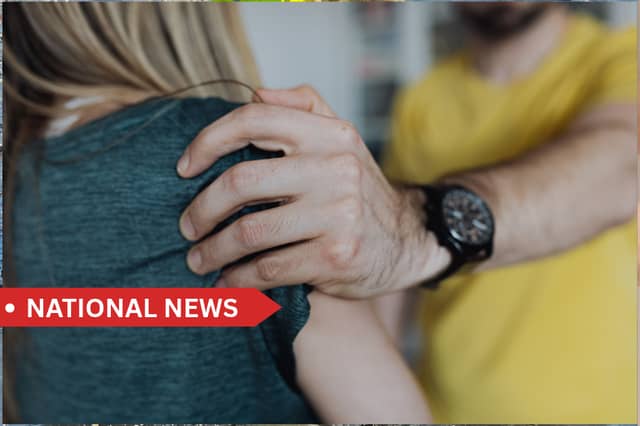

Thirteen women have died violently in the Republic so far this year, as a new report finds a reversal in a decades-long decline in killings
Almost twice as many women have died violently in the Republic of Ireland so far this year as in the whole of 2025, according to a new report from Women's Aid.
The charity's Femicide Watch report, published on Wednesday, records 13 violent deaths of women in 2026, compared with seven last year.
The report marks 30 years of Women's Aid tracking the violent deaths of women in the Republic. Since 1996, it has recorded 291 women who have lost their lives in violent circumstances.
Women's Aid said the findings show that a decline in killings over two decades has reversed. The number of women who died violently increased by 29% in the five years from 2021 to 2025, compared with the previous five-year period.
The report also highlights the danger women can face from men known to them. Of 235 resolved cases, 89% of women were killed by a man they knew, with a current or former partner responsible in 57% of cases.
Across the record, 68% of women were killed in their own homes.
Women's Aid chief executive Sarah Benson identified coercive control, stalking, threats to kill and non-fatal strangulation among the warning signs of intimate partner femicide. She also warned that women can face heightened risk around separation.
She said: “After years of decline, the number of women killed is rising again.
“Our findings match what UN and EU date show: the most dangerous place for a woman is her own home, and the most likely killer is a man she knows, very often a current or former partner.
“Intimate partner femicide rarely comes out of nowhere. Separation, coercive control, non-fatal strangulation, threats to kill and stalking are all known warning signs. When a woman tells Women’s Aid that she is afraid for her life, we believe her.”
The report details the impact on children and families, with 410 children having lost their mothers to femicide since the record began. Most were under 18. A further 25 children were killed alongside a woman, usually their mother.
Women's Aid is calling for a consistent national framework for assessing domestic abuse risk, improved data collection and meaningful involvement for bereaved families and specialist services in planned domestic and family violence death reviews.
To mark the report's 30th anniversary and the International Day for the Elimination of Violence against Women, the charity has also launched an online memorial, We Remember, at femicide.ie, commemorating the women recorded by Femicide Watch.
Anyone affected by domestic abuse can contact Women's Aid's free, confidential, 24-hour National Helpline on 1800 341 900 or visit womensaid.ie. In an emergency, call 999 or 112.