

Clocks going back in Ireland 2026: Exact date confirmed as households prepare for big change
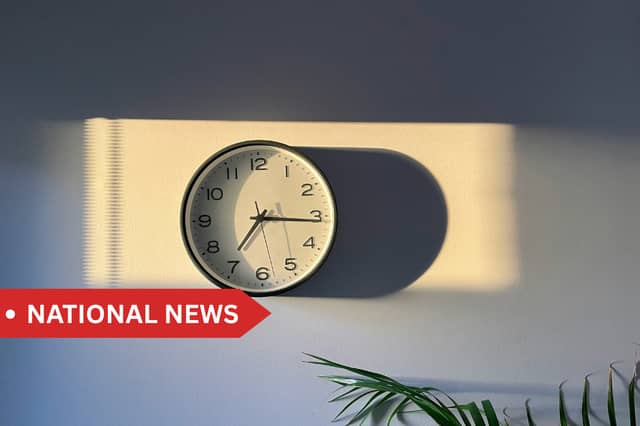

Daylight saving time is designed to make better use of daylight during the longer summer months
Irish households are being reminded that a change is on the way later this month as the clocks prepare to go back, bringing darker evenings and an extra hour in bed.
With autumn well underway and the evenings already getting noticeably shorter, the annual switch from summer time to winter time is fast approaching.
The change will take place in the early hours of Sunday, October 25, 2026, when clocks across Ireland will go back by one hour.
While many people will welcome an extra hour of sleep, the change also means that darkness will arrive earlier in the evenings as the country heads towards winter.
When do the clocks go back in Ireland?
The clocks will officially go back at 2am on Sunday, October 25, when the time will return to 1am.
This marks the end of Irish Standard Time, which operates during the summer months, and the return to Greenwich Mean Time (GMT) for winter.
Most smartphones, computers and other internet-connected devices will update automatically, although traditional clocks, watches and some household appliances may need to be adjusted manually.
The clocks will remain on winter time until Sunday, March 28, 2027, when they will move forward again by one hour.
Although we will get an extra hour in bed, the change can also temporarily disrupt sleep routines, particularly for young children and people who are sensitive to changes in their usual sleeping patterns.
Why do the clocks change?
Daylight saving time is designed to make better use of daylight during the longer summer months.
In Ireland, clocks move forward by one hour on the final Sunday in March and return to winter time on the final Sunday in October.
The system has been the subject of debate across Europe for several years, with discussions about whether the twice-yearly changes should be abolished.
In 2019, the European Parliament voted in favour of a proposal to end seasonal clock changes, but the measure has not been implemented.
For now, Ireland will continue to change its clocks twice a year, meaning households can look forward to an extra hour in bed later this month.