

Which milk is better for you?


Health, Beauty and Lifestyle with Denise McNamara
After a year of colic despite being breast fed as well as constant chest infections and bouts of bronchitis for his first two years, somebody recommended my youngest try goat’s milk. The minute he did, his chest cleared up.
After four months of goat’s milk and yoghurt, he started refusing it. But from then on, he was able to fight off most colds and coughs having developed an immunity to almost everything kids passed along in creche.
After years of feeling bloated on eating and getting regular stomach cramps, I was advised by two different nutritionists to cut out dairy to see if it made any difference.
When I noted an improvement, I tried to make it a permanent change to my diet, switching the skimmed milk in my flat white to an oat or almond milk and my regular cheddar and brie cheese to goats and sheep’s cheese. I also adapted to coconut yoghurt instead of Greek-style yoghurt over my morning fruit bowl, which is a poor substitute taste-wise.
I don’t stick to it 100% but I get there about 80% of the time. I wouldn’t be able to stomach a full-cream milk coffee now, it tastes far too rich.
But I also worry I’m missing out on vital nutrients by cutting out dairy.
There is an avalanche of articles comparing the various milks, in terms of nutrition and their impact on the planet.
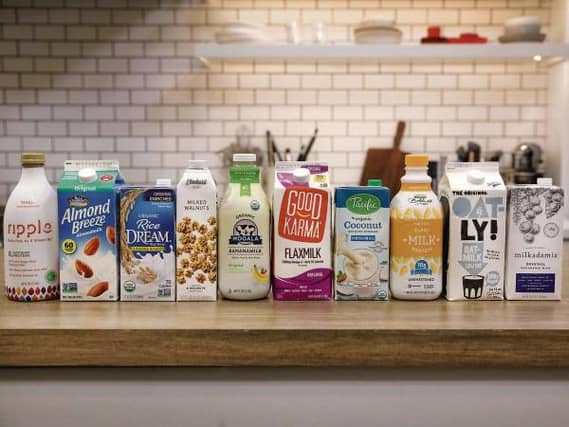
It’s a minefield, but here is a quick overview from what I’ve gleaned are the pros and cons of the multitude of milks that are now readily available in the supermarket and in most decent coffee shops.