

How to get kids to realise anxiety is a normal emotion


Health, Beauty and Lifestyle with Denise McNamara
Are we all more anxious? Are we raising a generation of kids who believe that anxiety is a lifelong debilitating condition rather than a part of everyday life? Clinical Psychologist and parenting expert David Coleman believes so.
He’s on a national tour to give advice to parents on how to learn to reframe anxiety for children and teenagers as an emotion that can be regulated.
“Parents are a lot more anxious for sure and when parents are freaking out, children feed into that. It can be a vicious circle. What I’m hearing in my clinics is that people are regarding it as a mental health condition.
“You don’t hear people saying, ‘I have happiness’, but they do say ‘I have anxiety’. We need to have the discourse that these feelings are transitory, they’re not indicative of any disorder in the main. Yes, there are some kids where anxiety rises to a point, but generally that’s because they don’t have the coping strategies.”
Since Covid children see school differently which has led to issues around school attendance. Whereas before it was regarded as a non-negotiable part of life when you were young, suddenly there appeared to be a choice about whether to go or not.
The move to the online world for more young kids during the pandemic also intensified that sense of confusion.
“Children are on TikTok, Instagram, they’re seeing these false ideals where they don’t measure up, they’re seeking a sense of approval they can’t get. It’s fuelling that sense of anxiety.”
He uses the example of trying to get a son or daughter to join a soccer club. They are reluctant as they don’t know anyone there. The parent is worried about pushing them too hard to give it a go in case it triggers anxiety.
“[Kids] are less minded to try and experience new things because they fear anxiety. If they avoid things because they want to avoid anxiety they will never be challenged and we know extracurricular activities are good for socialisation,” he reflects.
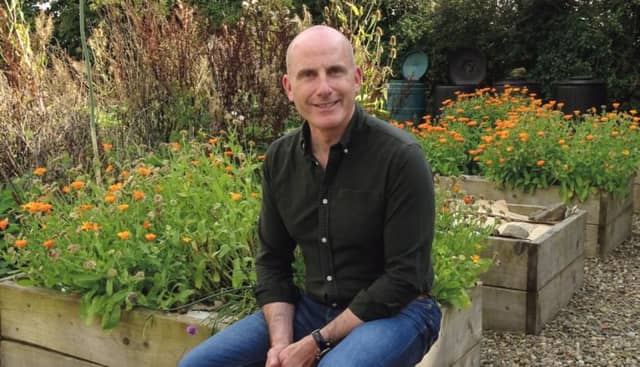
Pictured: Dr David Coleman: ‘We’re somehow giving kids the message they need to be protected from these feelings.’