

Yorkshire farmer with passion for dancing becomes unlikely figurehead of Galway céilí revival
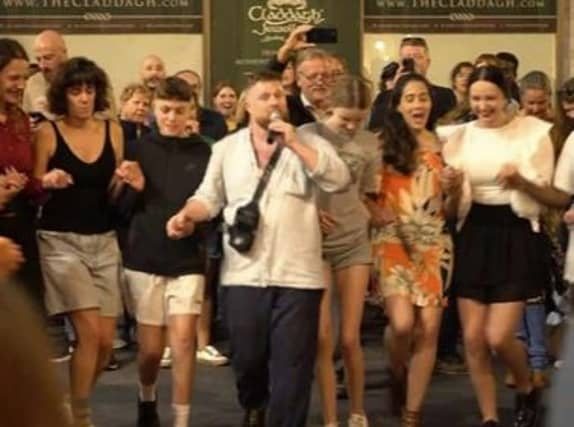

A bearded 36-year-old Yorkshire farmer has become the unlikely driving force for céilí dancing in Galway, taking the city by storm.
Hailing from ‘a town called Richmond’ in the Yorkshire Dales, Joe Gray first arrived in Galway in 2020 to start Mad Yolk Farm, before leaving two years later.
Unsure of his next step, he was introduced to the traditional Irish folk dance by a group of friends – an experience that would help him reignite the céilí scene for a new generation.
“When I left the farm, I was at a bit of a loss as to what I was doing, to be honest,” he says.
“But the whole time I'd been in Ireland, I was very lucky. The people I met were all trad musicians and set dancers. They had been taking to me the céilí and we were really enjoying them. But we were looking around and saying where's everyone who's our age?
“We were dancing in the house a lot. We knew that if you were introduced to it – you enjoyed it.”
That growing enthusiasm led to the launch of the Galway Céilí Club in January 2024 with his friend Ryan McKenna.
When I left the farm, I was at a bit of a loss as to what I was doing, to be honest,
Since then, he has taught hundreds of students at venues around Eyre Square.
This month, he helped launch the upcoming Fleadh na Bealtaine, which will run in Galway City over the May Bank Holiday weekend – from Thursday, April 30, to Monday, May 4 – celebrating the traditional start of summer.
Spearheaded by the Latin Quarter, the gathering will feature four days of trad music, theatre spectacles, food and drink, dance, traditions and storytelling for all the family, with most of the events being free.
A highlight will be trad sessions, focusing on the performers and venues that regularly provide music for locals and visitors.
Participating venues include the Front Door, the Crane, M Fitzgerald’s, Taaffe’s Tíg Cóilí, O’Connell’s, Seven, Sonny Molloy’s, the Skeff, McGinn’s Hop House, Killoran’s, Taylor’s, Blake’s, Carroll’s, Cooke’s, the Bunch of Grapes and Monroe’s.
There will be céilí and sean-nós dancing, and dancing at the crossroads. Family céilís during the weekend are designed to encourage children to get involved.
Recognising the importance of May Day as the start of 'farming summer', a parade called ‘Buaile na mBó’, featuring a cow, will be held on Friday week, May 1.
While there might not be flames, fire will be central to the weekend, given the association between Bealtine and bright fires.
There will also be pop-up theatrical performances and street workshops ranging from basket-making to wool weaving, as well as seanchaí sessions.
Different traditional dishes will be served in pubs and restaurants and there will be outdoor markets with food, crafts and local produce as well as with demos, talks and tasting events.
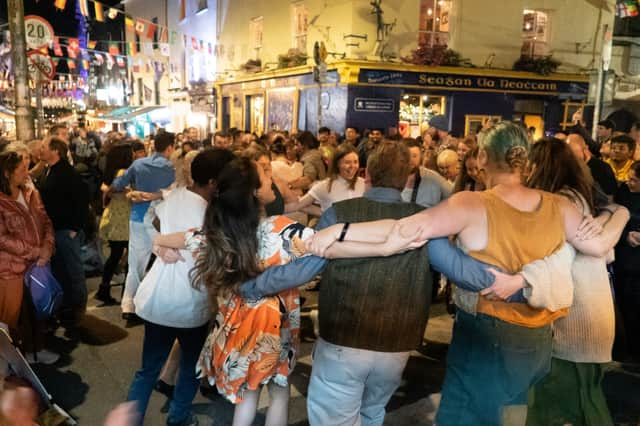
As part of the launch of Fleadh na Bealtaine, he and his fellow dancers gave a céilí demonstration for the crowd.
“It just grew and grew,” he says.
“The best thing about it was all the things that you don't expect. After the first class, everybody just hung around and chatted. So now what we do is, you come for the two-hour class, and we do a social after to live music.
“The first time you come, you can end up dancing to live music in the pub, where everybody gets a pint and meets each other.”
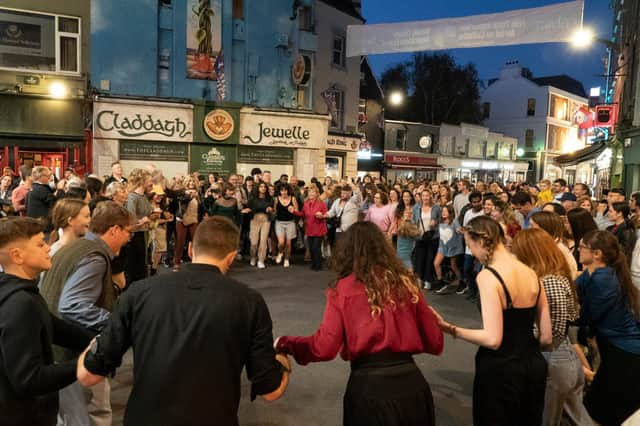
He notes that céilí dancing was once considered “a rebellious dance” in the 17th and 18th centuries, when it was suppressed under the Penal Laws, surviving in secret and helping to keep Irish cultural identity during a turbulent period.
Now, it is enjoying another resurgence, with groups appearing across the country. This time, the focus is firmly on social dancing. And for Joe, this sense of community is vital.
“A lot of people who come to the class, especially Irish people, they're a bit hesitant at first because they remember it from school, or they remember being part of a team for the Fleadh,” he says.
“We do social dancing. We want people to enjoy themselves. It’s fun first. I'm very serious about the community element of it. I can't imagine the lads who were meeting in the crossroads back in the day were taking it that seriously.
The first time you come, you can end up dancing to live music in the pub, where everybody gets a pint and meets each other
“We're in the building stages still but we're adding classes all the time and every year that we've operated, it's grown and we've done more. And that's continuing again this year. We've had some wonderful opportunities with it that I never thought would happen.”
He jokes that the shift from farmer to dancer is a “tale as old as time”. It continues to surprise friends and family back home as he moved from the Dales to the dancefloor.
“It's taken over my life in the best way possible,” he says. “My friends back home are still surprised. They thought I went to Ireland for farming. Obviously now, I’ve taken the natural step of becoming a dancer!
“We were never the most qualified, we were never the most knowledgeable. We just wanted to exist in Galway in the way that we have done it.
“My parents came over to Galway in September last year and again, it's the same thing. They thought I had moved over for farming. But when they saw our improvers group dance in Monroes they were impressed.”
For a man who set out to “do a little dance class”, Joe is delighted by the response, and grateful for the way the Galway community has embraced him.
“I just want to give a very sincere thank you to everyone who has walked through the door,” he says. “Everyone has been so helpful, baking cakes, and becoming very involved. I couldn’t ask for more.”
For more information about his set dancing and céilí classes log on to Galway Céilí Club on Instagram.
The weekly classes take place in Kennedy’s Bar, Eyre Square, every Monday and Tuesday night.
And Fleadh na Bealtaine itself is supported by Galway City Council through the Night-Time Economy Programme.
Visit fleadhnabealtaine.ie for the full programme, or follow it on social media.