

The reality of life with incurable lung cancer
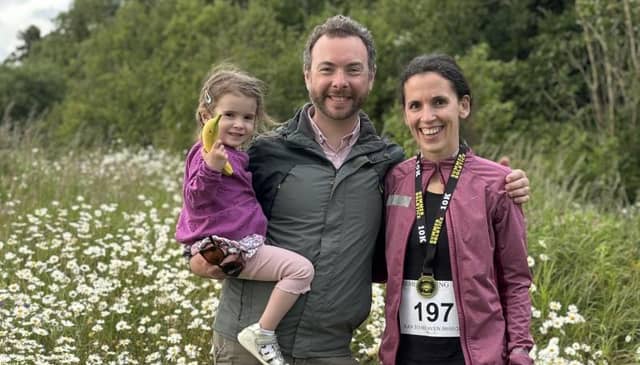

Marina Wild has spent more than half her life in the west of Ireland. Just 41 and living in An Spidéal, she has been living with lung cancer for over six and a half years now – and this is her own story.
*******
It came out of the blue; in early 2018 I had been married for just over a year and had recently had a miscarriage when I woke one night with acute chest pain. Since I was healthy and fit and had never smoked, we initially thought it was a typical pneumonia.
Following weeks of tests, I was given the devastating news that I had advanced non-small cell lung cancer. I had chemotherapy and radiotherapy, and even though the cancer was inoperable, my team decided to try surgery: a middle lobe resection.
As part of the diagnostic process biomarker testing was performed (crucial yet still not standard everywhere) and this revealed that I had ALK-positive lung cancer.
It is caused by a rearrangement of the ALK gene and is a rare form of lung cancer that disproportionately affects young never-smokers.
Because my GP took the chest pain seriously and everything happened very fast, I got nearly four years of remission before the cancer recurred and even had a baby during that time, but a lot of young patients face misdiagnoses and delays as their symptoms and concerns are dismissed.
As a result, the vast majority are already stage IV at the time of diagnosis.
Luckily there are relatively new treatment options for lung cancers with oncogenic drivers such as ALK+.
When the cancer recurred in 2022, at stage IV and therefore officially incurable, I was put on targeted therapy (a TKI, tyrone kinase inhibitor). I take eight capsules every day.
The drug targets cancerous cells without damaging or destroying healthy cells. While not curative, TKIs are among the developments that have transformed the lung cancer landscape in recent years, significantly extending patients’ lives.
Rates of lung cancer are rising in young women who never smoked. And yet, there is far more empathy for breast cancer patients, for example (incidentally, alcohol is a known cause of breast cancer, yet patients generally aren’t asked “Did you drink?”).
It is time to end the stigma, as it has dire repercussions when it comes to funding. No one deserves cancer.
We need to raise more awareness that lung cancer doesn’t discriminate; it can hit you whether you have a history of smoking or not, whether you are young or old, and irrespective of your fitness and lifestyle. With increased awareness comes increased funding for research.
Caption: Marina Wild pictured with her husband, John Caulfield and their daughter May, after taking part in a charity 10km run in June 2023.
Maria Wild telling her story to help raise awareness of the signs and symptoms of lung cancer on behalf of the Marie Keating Foundation as part of their Big Check Up 2024 'Look Out For Lung Cancer' Campaign. See https://mariekeating.ie/the-big-check-up-2024/ for more information.
Read Marina’s full story in this week’s Connacht Tribune, on sale in shops now, or you can download the digital edition from www.connachttribune.ie. You can also download our Connacht Tribune App from Apple’s App Store or get the Android Version from Google Play.