

SVP calls for €15 increase in Social Welfare rates plus €4 weekly rise in Fuel Allowance

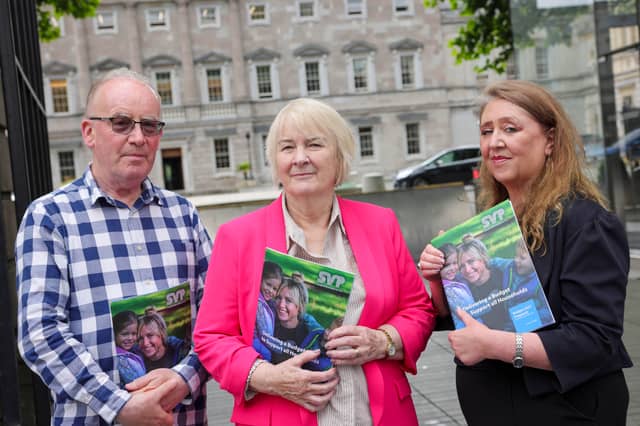

The Society of Saint Vincent de Paul (SVP) has called for a €15 increase in weekly social welfare rates and €4 increase in the weekly fuel allowance.
The charity also called on Government to retain the temporary four-week extension to the Fuel Allowance payment to help households struggling with rising energy costs.
In its Pre-Budget 2027 submission, SVP called for a €15 per week increase in core working-age social welfare rates, which currently stand at €254 per week. The organisation said this was necessary to move payments closer to a “minimum essential standard of living”.
It also called for the National Minimum Wage to increase from €14.15 to €15.40 per hour, alongside corresponding adjustments to social welfare income thresholds and earnings disregards “to ensure that work pays and does not result in sudden income loss”.
While overall poverty rates have shown a slight decline, SVP warned that this masks increasing hardship among specific vulnerable groups, including lone-parent families, older people living alone, and households where a person has a disability.
Its budget submission set out a package of measures aimed at restoring income adequacy, reducing child poverty, improving access to affordable childcare, and addressing the impact of housing costs on household income.
To help address child poverty and the rising cost of raising a family, SVP recommended an increase in weekly social welfare payments of €10 for children under 12 years of age and €18 for children aged 12 years and over.
The organisation also urged Government to double Back to School Clothing and Footwear Allowance for students entering Transition Year, increasing support from €285 to €570 per eligible child.
Teresa Ryan, SVP National President, said evidence from the 2025 Survey on Income and Living Conditions (SILC) highlights growing inequality, with consistent poverty rising among one-parent households and older people living alone.
“Behind these figures are everyday realities. Children are starting their mornings in cold homes and going to school tired and hungry, and missing out on the social and educational experiences that help shape childhood. For older people, it can mean carefully rationing heating, staying in unheated rooms, and going without essentials to make ends meet,” she said.