

Russell Brand case can reopen trauma, warns Galway rape crisis chief
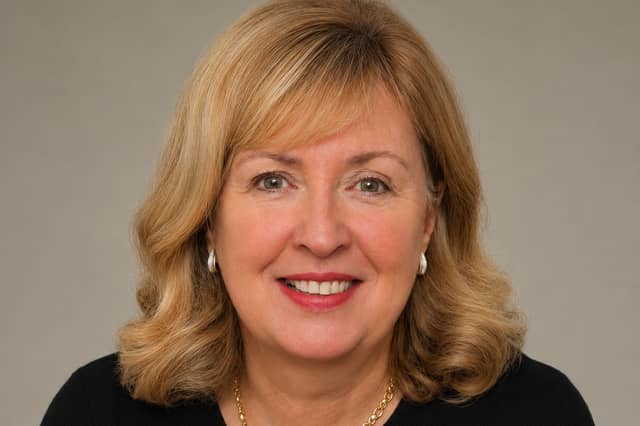

High-profile sexual violence cases can bring traumatic memories flooding back for survivors, sometimes decades after an assault, the head of Galway Rape Crisis Centre has warned following the sentencing of Russell Brand.
It does trigger people. It lands people back to where something happened," Executive Director Cathy Connolly told the Connacht Tribune.
Brand, 51, was sentenced to ten years and six months in prison at Southwark Crown Court in London on 9 November 2026, having been convicted of raping one woman and sexually assaulting three others between 2004 and 2009.
The sentencing comes amid wider scrutiny of celebrity power and accountability. On 10 November 2026, the Guardian and ITV News published allegations of sexual misconduct against comedian and author David Walliams, including claims that he used his celebrity status to pursue young women.
Walliams denies the allegations, which remain unproven and are entirely separate from Brand's criminal convictions.
In victim impact statements, the women described the lasting effects of his crimes, including the distress of repeatedly seeing and hearing him in the media as his celebrity grew.
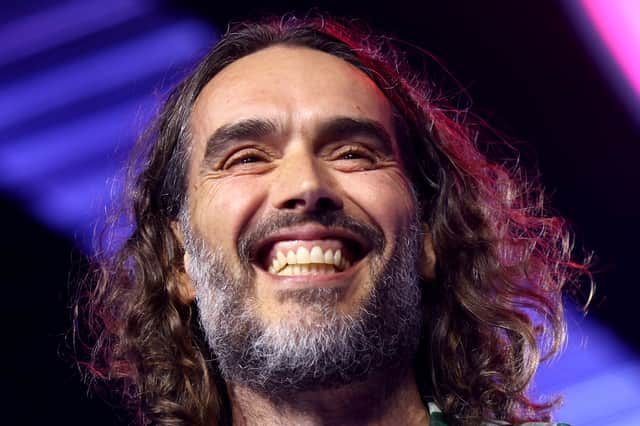
The women's accounts of being unable to escape reminders of Brand have echoes closer to home. Ms Connolly said survivors can face similar difficulties when the person who assaulted them remains part of their everyday lives.
Sexual violence frequently involves people known to the victim, including family members, friends and peers. For those living in smaller communities, avoiding that person can be particularly difficult.
The lasting impact of sexual violence is not always apparent to others.
"People hide it, and they live with it, and they function," Ms Connolly said.
For some, even entering a rape crisis centre can be daunting.
"They're afraid of being seen coming in. And when you think about it, they've done nothing wrong."
She recalled a woman approaching 80 who came to the centre because there was something she wanted to say before she died.
"I don't want any conflict. I just want to tell somebody this happened to me in my life. And before I die, I just want to have said it out loud," Ms Connolly recalled her saying.
Ms Connolly said she sees the lasting damage caused by sexual violence in her work with survivors in Galway.
"What I have learned here is that it has a terrible impact on people and how they feel about themselves and diminishes their self-worth."
Ms Connolly said Galway Rape Crisis Centre offered nearly 5,000 appointments last year and received more than 8,000 communications, including calls and emails.
"That's not 5,000 people now, but that's 5,000 appointments," she stressed.
Despite the scale of demand, she believes much of the sexual violence experienced by people in Galway remains hidden.
"I know for a fact that we're only knocking at the door."
While high-profile cases can bring painful memories to the surface, they do not necessarily lead to an immediate increase in people seeking support.
"It's never an immediate impact," Ms Connolly said. "They come in their own time."
For some, the turning point comes when they realise they cannot manage alone.
"I really need to get help with this. This isn't going away. I can't make this go away on my own."
She believes Brand's lengthy prison sentence could encourage other survivors to come forward.
"I think it'll make a big difference," she said.
But she stressed that seeking help and pursuing criminal proceedings were separate decisions.
"We don't advocate for people to go to court or not go to court," she explained. "We're here to counsel, and we support them in those things."
Ms Connolly praised the work of Gardaí and specialist sexual assault services in Galway, saying compassionate professionals were available to support survivors.
"They're all brave, no matter whether they go to court or not, because they're coming forward with their stories."
For anyone finding the coverage of Brand's case distressing, her message is that support is available whenever they feel ready.
"We're here ... at any stage for them," she said.
Galway Rape Crisis Centre can be contacted on its freephone helpline, 1800 355 355. People can also call into the centre for support at 7 Claddagh Quay, Galway.