

Times are a-changing on the public transport front

World of Politics with Harry McGee
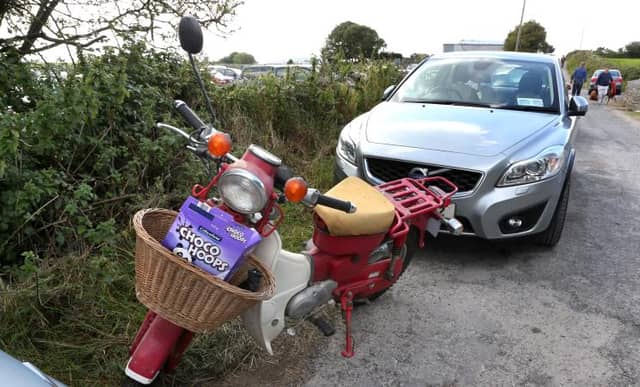
There was a documentary on TG4 a good while ago about the Honda 50 and how it became an icon in Ireland between the 1960s and the 1980s.
It was great television but also an eye-opener.
The humble motorbike puttered along at a speed not much faster than the food delivery squads rip along on their e-bikes. But it revolutionised the social life of Ireland after its introduction.
Here was a cheap piece of technology that replaced the bicycle. For people living in rural areas who couldn’t afford a car, it made the big towns more accessible (in and out in two hours rather than taking up a whole day).
It was used to carry goods and products – albeit very limited capacity! It helped increase productivity. It allowed connections that were not possible until then. People did not have to rely on a very patchy public transport system and were free to come and go as they pleased.
It goes without saying that road transport is vital. Motorised travel has helped the transition from a poor agrarian economy to a modern and prosperous society.
The fact that Ireland is small and the population density is low has meant the development of road transport in this country has been primarily through private transport - cars mainly.
If you live in An Cheathrú Rua or in Tynagh or in Glynsk, you can get public transport into Galway or Ballinasloe but it’s a tricky prospect and not regular.
I remember about 15 years ago doing a trail run between Killarney and Kenmare in Co Kerry across an old bog road.
By the time I finished I was wrecked but my plan was to hop on a bus to get back to Killarney that afternoon. I then found out that the only bus to Killarney that day had departed at 9am.
For more, read this week’s Connacht Tribune.