

Quiet time offers chance to reflect on decade of change

World of Politics with Harry McGee
This past week was the first political week in which it really felt like summer. No Dáil; no Cabinet; no meetings; no press releases; no announcements. The only thing that is ticking over is the foothills of the presidential election, which won’t begin in earnest until September.
Every time I think about summer in Irish politics, I remember my first day and first week working as a political reporter. It was August 2002 and there was zilch happening. Nobody was contactable.
It was also my first day and first week working for a daily newspaper. I also realised that no matter what was happening (or wasn’t happening) you were still expected to come up with a good story for the front page.
Earlier this week, I had a quick look at some of the columns I wrote a decade ago during the dead duck of August.
There was not a huge amount happening as the themes were general. But it still gave an insight into the Ireland of a decade ago, and a reminder of all the change that has happened since then.
So, a paragraph to set the context of 2015. The country had been in a big recession which required intervention from a troika of international lenders, the International Monetary Fund, the European Central Bank and the European Commission.
By 2014, Ireland had come out of the rescue package and was standing on its own two feet. The economy was growing quickly and unemployment was falling.
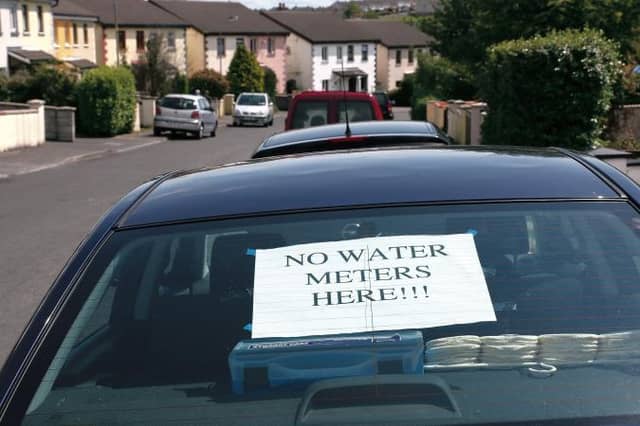
However, there was a big lag between the macro recovery and what people were experiencing on the ground. Water charges had been introduced but were facing a growing revolt across the country.
That charge had been led by smaller left-wing parties. Sinn Féin had initially been on the fence about it. But it changed its tune after Paul Murphy won the Dublin South West byelection in 2014 on an unapologetic campaign opposing water charges.
Sinn Féin changed tack and upped the ante – the following year it was identified as the main force opposing the charge.
Indeed water charges became such a factor in the 2016 election that the next government more or less abandoned them. So we have no water charges now – unlike just about every other State in Europe.
Earlier that summer, the same-sex marriage referendum had been passed by a significant majority. Within three years, the same thing would happen with abortion. Irish society was changing at a pace that politics, and politicians, were struggling to keep up with.
Pictured: Sign of the times...anti-water charge protests from ten years ago in Galway.