

No prosecutions yet over petrol-stretching in Galway
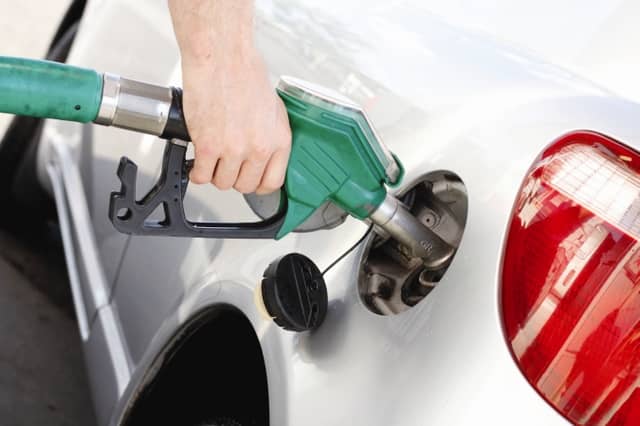

Just 21 cases of ‘petrol-stretching’ have been reported to Gardaí in Galway in the past six months, according to figures from the Minister for Justice.
But the Gardaí have yet to submit a file to the Director of Public Prosecutions as a result of any of the complaints they have received.
And during the same period, a total of 17 complaints were made to Revenue in Galway about the scam.
The scam – which involves unscrupulous retailers adding around 10% kerosene to unleaded petrol to hike profits – has seen several hundred cars destroyed in Galway, Mayo and Roscommon in recent months
Revenue has sent a total of 208 samples from across the country to the State Laboratory – just two samples (from one unnamed filling station) were found to have evidence of a stretching agent, and a file is being prepared for prosecution.
The figures have led to a renewed appeal by authorities for motorists to ensure they report suspected cases to both the Gardaí and Revenue.
The Galway statistics pale into insignificance when compared to the 222 complaints made to Gardaí in Mayo during the same six-month period. There were 65 reports in the Roscommon/Longford Garda Division and none in Sligo.
During the same period, there were 40 reports to Revenue in Mayo; 15 in Roscommon and none in Leitrim.
Independent Deputy Denis Naughten has called for the Revenue to make their information available to members of the public who wish to take a civil action against.
“While the Revenue Commissioners are progressing investigations, indications are that in the vast majority of cases there is no breach of excise legislation. In such instances, Revenue must make this evidence available to assist motorists in taking a possible civil action to recoup the significant cost of the damage to their cars.
“I would also plead with motorists to report their suspicions about petrol-stretching – where rogue fuel merchants add a 10% mix of kerosene home heating oil to petrol to increase profits – to both the Gardaí and Revenue. This information is vital to get a clear picture of what exactly happened to destroy these engines in the first place” said Deputy Naughten.
According to Justice Minister Frances Fitzgerald, all Garda investigations are ongoing, and no files have yet been prepared for the DPP.
“In addition to analysing samples referred to it, the State Laboratory is providing technical and scientific support for the ongoing investigations as the analysis of potentially stretched petrol is a complex one which, to date, has involved a significant level of time-consuming, non-routine testing bearing in mind the sufficient level of evidence required in order to pursue prosecutions in this area.
“I am also advised that the volume of samples sent for analysis has necessitated a reallocation of resources within the State Laboratory,” said Minister Fitzgerald.
Finance Minister Michael Noonan – referring to Revenue’s interest in the scam – said results over the past fortnight have found petrol contaminated with diesel.
“Normally when fraudsters attempt to stretch petrol, they add methanol, kerosene or other low excise duty agents. To date, 208 samples have been referred by Revenue to the State Laboratory for analysis. Despite extensive testing by the State Laboratory, no evidence of any prohibited stretching agent has been found in any of the samples, except two samples taken from one site.
“The conclusive results received in that particular case has resulted in the seizure of the product and closure of the facility and a file is being prepared for prosecution,” said Minister Noonan.