

Kids in Galway with ADHD left relying on medicinal treatment alone

Many Galway children diagnosed with ADHD are left relying on medicinal treatment alone in the absence of an adequately resourced Child and Adolescent Mental Health Service (CAMHS), according to a local councillor.
City Councillor John Connolly (FF), who is a member of Regional Health Forum West, told the Connacht Tribune that those requiring vital complementary treatments such as psychotherapy and behavioural therapy were languishing on waiting lists and receiving only pharmacological treatment in the interim.
“There is a significant under-resourcing of complementary treatments that CAMHS would like to provide – those working in CAMHS would obviously prefer to provide all the necessary treatments but they aren’t being sufficiently resourced to do so,” said Cllr Connolly.
The Fianna Fáil councillor, who is a teacher by profession, said he has been contacted by parents who felt that once medication was prescribed, no further treatment was then available.
The use of psycho-social therapies in addition to medication could lead to better outcomes in the long-term, he continued.
“There are almost two wating lists for treatment with CAMHS – one is the list to get an initial assessment and then after that, when you get into the system, you are placed on another waiting list to access psycho-social treatment. After the initial assessment, medicine is discussed with the parents and they feel that is the treatment that’s being offered,” said Cllr Connolly.
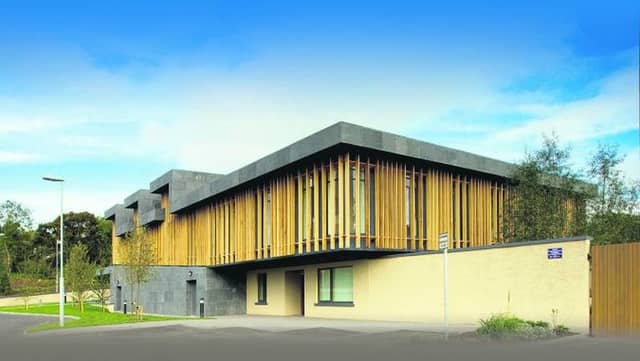
“They’re not seeing the complementary treatments because CAMHS don’t have the resources and even though they have a fantastic facility in Merlin Park, they need more resources put in.”
Following queries to the service, Cllr Connolly was informed by the Chief Officer of Community Healthcare West, Breda Crehan Roche, that there were 1,149 children attending CAHMS for ADHD (Attention Deficit Hyperactivity Disorder) treatment in the Galway-Roscommon area.
“Pharmacological treatment of ADHD is only one part of the BioPsychoSocial approach to treatment of the illness, so in no case would it be considered the single most appropriate treatment for ADHD,” said Ms Crehan Roche.
Cllr Connolly said referrals to the service were broken down into ‘emergency’, ‘urgent’ and ‘routine’, and “thankfully emergency and urgent cases are dealt with quite quickly”.
Some 601 routine referrals to CAMHS were made in 2021, an increase from 347 the previous year which was already up on the 2019 figure.
“I don’t think any parent would consider this service routine and while I know CAMHS has to prioritise, if you are the parent of a child who isn’t mixing with other children; has behavioural issues at school; or has developed poor eating habits, the last place you want to be is on a waiting list,” said Cllr Connolly.
The HSE West could not provide an average time for patients awaiting an initial appointment and Cllr Connolly said this was as a result of CAMHS still operating on a paper-based system.
“It’s unbelievable that in 2022, CAMHS does not have any method of recording this patient data electronically,” he added.
“I’ve been told that even to get the referral numbers, they have to call each service-provider to see how many are on the books.
“CAMHS deals with children and adolescents up to the age of 18 and I understand that many of their patients are aged between 14 and 18. I feel with ADHD, if intervention was happening sooner, it could well reduce that case load in the future,” said Cllr Connolly.