

Galway waterways vulnerable to illegal poaching warn local angling group
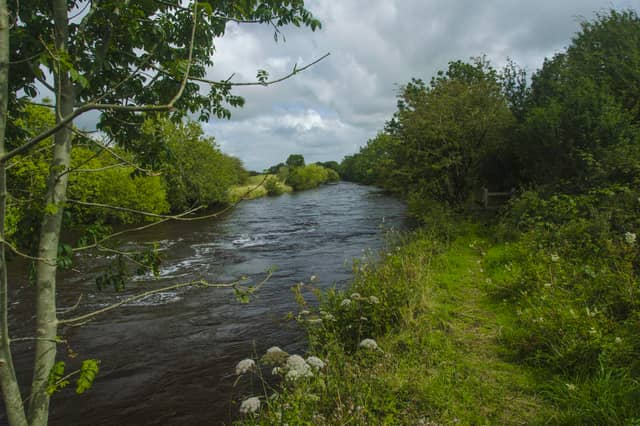

Intensive agricultural runoff, slurry spreading, and nutrient enrichment are damaging vulnerable nursery waters, a local angling group has warned
Inland Fisheries Ireland lacks sufficient manpower to police river systems in Galway, leaving waterways vulnerable to illegal poaching while legitimate anglers face sweeping restrictions, a local angling group has warned.
The claim is set out in a detailed policy submission on wild Atlantic salmon management prepared by Corbally Anglers in Corofin.
The group warned that calendar-based conservation measures, such as mandatory catch-and-release rules between May and September, are counterproductive when applied without regard to local rainfall and river flow.
On the River Clare, which contains between 30 and 40 tributaries feeding the main channel, low water levels in dry summers frequently force migrating salmon to wait in Lough Corrib until autumn rains trigger a fresh run in September.
When compliant anglers are taken off the riverbank during these fixed closures, an important informal deterrent is lost across vast stretches of water that state fisheries officers cannot continuously monitor, the angling group noted.
Corbally Anglers chairman Tommy Casserly warned that lawful rod-and-line fishermen are being treated as the primary culprit for declining stocks, while systemic environmental pressures across the catchment remain largely unaddressed.
The submission stated that intensive agricultural runoff, slurry spreading, and nutrient enrichment are damaging vulnerable nursery waters, as evidenced by recent Environmental Protection Agency (EPA) findings.
Only a fraction of the tributaries across the Clare catchment remain productive spawning streams, with many now heavily silted, obstructed, or left without recurring maintenance following earlier state-funded enhancement projects.
The submission also highlighted the threat posed by open-net marine salmon cages, citing a 2025 study that confirmed a direct link between sea-lice exposure and elevated wild salmon mortality along the western seaboard.
Further losses are occurring in restricted freshwater channels, where unmanaged pike and cormorants prey heavily on migrating smolts and juvenile salmon, prompting calls for pike relocation to landlocked waters alongside structured riverbank restoration.
Mr Casserly said effective conservation requires an evidence-based partnership that combines flexible, condition-responsive angling rules with targeted water-quality enforcement, predator control, and proper maintenance of nursery tributaries across the Corrib basin.