

Galway TD hoping to fast-track kids energy drink ban
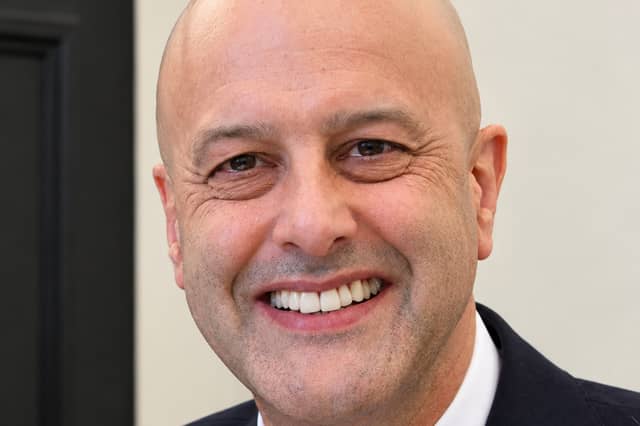

Despite high consumption, 97 per cent were aware that energy drinks can negatively affect sleep, concentration, and mood, particularly in children and young people
A Galway TD and former head of the Irish Medical Organisation has called for a ban on the sale of high-caffeine energy drinks to children to be fast-tracked, following research published by Safefood.
Dr Martin Daly – joined by his Seanad colleague, Senator Teresa Costello as the party’s two Spokespeople for Health – said that the report highlighted the negative effects energy drinks can have, particularly on children.
The research found that consumption was highest among 15- to 24-year-olds, with more than half surveyed drinking energy drinks at least once a week, and twelve per cent consuming them every day – with some products containing up to 17 and a half teaspoons of sugar.
Among parents of children under 18, over ten per cent reported that their child drinks energy drinks at least weekly.
Despite high consumption, 97 per cent were aware that energy drinks can negatively affect sleep, concentration, and mood, particularly in children and young people.
Last week, a University of Galway health expert described the level of consumption as ‘very concerning’, on foot of the same Safefood research found 54 per cent of the age group drink energy drinks at least once a week and twelve per cent consume them daily.
Professor Colette Kelly said the products have “virtually no nutritional value” and warned that high caffeine consumption can affect sleep and school performance.
“Energy drink consumption, with high caffeine content, can result in short sleep duration, poor sleep quality and low academic performance,” she said.
She also warned that high sugar content increases the risk of dental caries and erosive tooth wear.
Prof Kelly is Professor of Health Promotion, Registered Nutritionist (Public Health) and Head of School of Allied and Community Health, College of Medicine and Health at University of Galway.
Dr Daly, Fianna Fáil TD for Roscommon/Galway. said the widespread availability and marketing of high-caffeine energy drinks to young people is a growing public health concern.
"These drinks are often marketed as products that improve energy, focus, and performance. However, many contain high levels of caffeine and sugar, which can negatively affect children and young people in particular,” he said.
"Awareness alone is not enough to influence behaviour," he added.
The number of energy drink products available in supermarkets across the island of Ireland has almost doubled, from 39 in 2015 to 77 in 2026.
More than half, 55%, are now sold in 500ml cans, while average sugar content per serving has risen from 22.6g in 2019 to 30.9g this year.
Three surveyed products contained between 65g and 70g of sugar per serving, the equivalent of up to 17.5 teaspoons.
Average caffeine content was 115mg per serving, with some drinks containing up to 200mg.
Despite the high consumption levels, 97% of those surveyed were aware of the potential negative effects of energy drinks.
Public support for tighter controls is also high, with 77% of respondents backing an age restriction on sales to children.
Prof Kelly described an age restriction as ‘a very important measure’ but warned that tackling sales alone would not be enough.
“We need action in other areas, especially around food marketing, particularly on social media where children are targeted incessantly,” she said.
“Accessibility and price are important factors to consider.”