

Galway has fourth highest numbers on fuel allowance

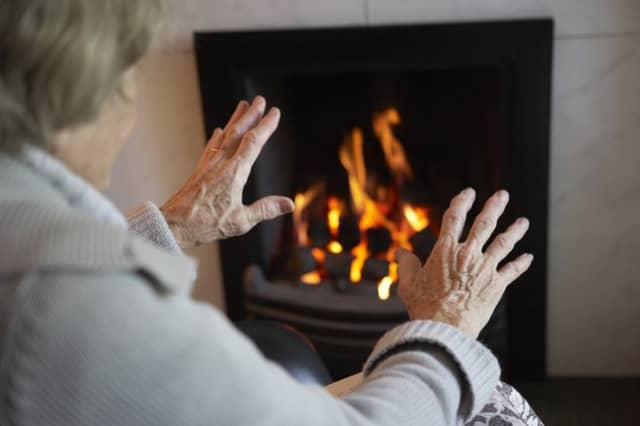

The number of Galway households in receipt of the fuel allowance is now the fourth highest in the country.
According to figures released by Energy Action, a lobby group which is fighting fuel poverty, 21,318 households are receiving the €20 fuel allowance per week across the city and county.
Just Dublin, Cork and Donegal have higher numbers.
Nationally, there were 412,000 households getting the allowance in 2013– up from 400,000 in 2011, which was the last time a county breakdown was provided by the Department of Social Protection.
“The figures are pretty high. They are pretty shocking, it’s higher than people I think expected or would think they would be, especially in Donegal, and Galway is pretty high as well,” remarked Jane Barry of Energy Action.
While significant progress has been made in recent years, the number of people in fuel poverty remains stubbornly high, she said.
“As winter approaches, this time of year is a cause of worry for many individuals and families. The number of households receiving fuel allowances continues to increase.”
The allowance will cost the State an estimated €208m this year. It is paid for 26 weeks from October to April and is worth €520 a year to a household which meets the criteria.
In 2013 the payments were extended by a week due to the inclement weather.
The allowance was cut from 32 to 26 weeks during the recession.
The cost of fuel will be higher this season due to the recent increase in carbon tax.
The allowance is subject to a means test and is paid only to those who live alone or with certain exempted people. The electricity or gas allowance of €35 per month is also paid to 410,000 customers at an estimated cost of €230 million in 2014. This is also subject to a means test.
People who qualify for the fuel allowance may be getting a pension, be in receipt of a one-parent family payment or a deserted wife’s benefit.
Fuel poverty often forces people to choose between heating and eating because they cannot afford the energy bills.
When the cold weather hits, the most vulnerable may die unnecessarily. In England and Wales in 2012 and 2013, official figures estimate that there were 31,100 excess winter deaths, a 29% increase on the previous winter.
In a study in 2012, Dr Anne O’Farrell from the HSE’s Health Intelligence Unit found that between 2005 and 2011, there were 3,233 more deaths among those aged 65 years and older in winter than in summer.
More than half of the deaths were due to respiratory diseases, while almost 40% were due to circulatory conditions.
A conference organised by Energy Action next month will see energy companies, health experts and regulators discuss how to find better energy solutions for those in fuel poverty.
“We need to educate people, help them understand their bills, how their heating systems can work, how they can save energy as well, using energy in the right way so they’re not spending more than 10% of their income on fuel.”