

Demand for urgent action as women left in agony on Galway gynaecology waiting lists

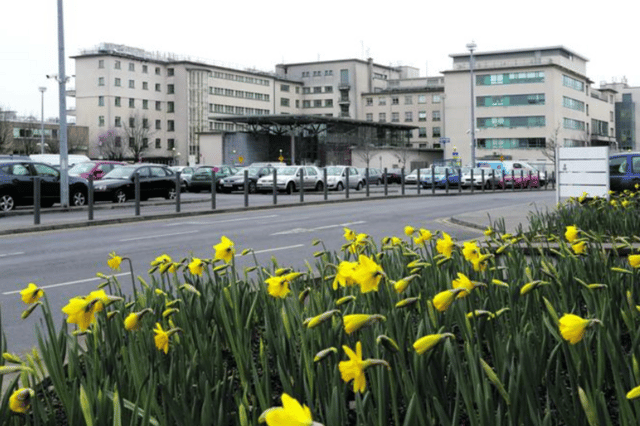

Galway County Council is demanding urgent Government intervention over lengthy gynaecology waiting lists at University Hospital Galway, as women endure excruciating pain and debilitating conditions, with some waiting more than four years for treatment.
The devastating impact of the delays was highlighted at this month's meeting of Galway County Council, where members heard of women suffering from pelvic organ prolapse, heavy bleeding and incontinence, severely affecting their quality of life, dignity and ability to carry out everyday activities.
"If the bottom was falling out of a man's world, it would be escalated," Independent Cllr Geraldine Donohue said as she described the suffering of women living with conditions which can arise as a consequence of childbirth.
"In 2026, I can't believe we are even talking about it.”
The debate followed a motion from Independent Cllr Dr Evelyn Francis Parsons, who is demanding an urgent action plan from the Minister for Health.
She wants clear deadlines for reducing gynaecology waiting lists and improving access to treatment.
She told councillors that the situation was getting worse, with 3,333 women awaiting a first gynaecology outpatient appointment at UHG, including 2,467 who had yet to receive an appointment date.
Figures supplied by the HSE also show that the number of women waiting more than four years on the inpatient gynaecology list has more than tripled, rising from 14 in November 2025 to 43 in September 2026, including 36 active cases.
Cllr Parsons expressed serious concern about the impact of these delays on women living with pain, heavy bleeding, incontinence and prolapse.
She said these were debilitating conditions which could have a profound effect on women's quality of life, as well as their work, family life and wellbeing.
Cllr Parsons stressed that her motion was “not a criticism” of the clinicians or staff providing gynaecology services, but reflected the urgent need for additional resources
She said that waiting more than four years for treatment was unacceptable.
Meanwhile, Cllr Geraldine Donohue spoke passionately about the lasting consequences of childbirth for some women, particularly those experiencing pelvic organ prolapse and incontinence.
She told the meeting that she had spoken to a woman the previous night who had undergone surgery and said the pain associated with these conditions could be excruciating.
Referring to pelvic organ prolapse, she spoke of the devastating experience of women who felt as though "the bottom falls out of your world".
“It is so excruciating,” she said, referring to “people in my own circle” who are suffering a legacy of childbirth.
She said women in their 50s, 60s, 70s and 80s had been contacting her about their experiences, with some seeking treatment outside the State.
Women travelling for surgery through the Cross Border Healthcare Directive could face having to pay between €10,000 and €15,000 upfront, she said.
“They go up the North and can you imagine travelling down the road after that operation,” she said. .
She said the Irish Countrywomen's Association in Loughrea and Gort had been particularly vocal about the issue.
“When is enough, enough?” she said.
“We are awash with money and here we are – instead of treating the women in this world. A strong message has to go back to the Minister that women are in pain. Don't get sick in this country.”
The HSE has acknowledged significant challenges with operating theatre capacity at University Hospital Galway.
In a response supplied to Cllr Parsons, the HSE stated that increasing theatre capacity was critical to tackling the waiting lists and improving timely access to gynaecology care.
It has outlined initiatives aimed at improving services, including additional outpatient clinics and the development of ambulatory gynaecology services at Portiuncula.
Galway County Council will write to the Minister for Health expressing its concern and calling for coordinated action to reduce the waiting lists.
Copies of the motion are also to be forwarded to the CEO of the HSE and the Regional Health Forum West and North West.
Funded by the Local Democracy Reporting Scheme