

Fostering the love of family life

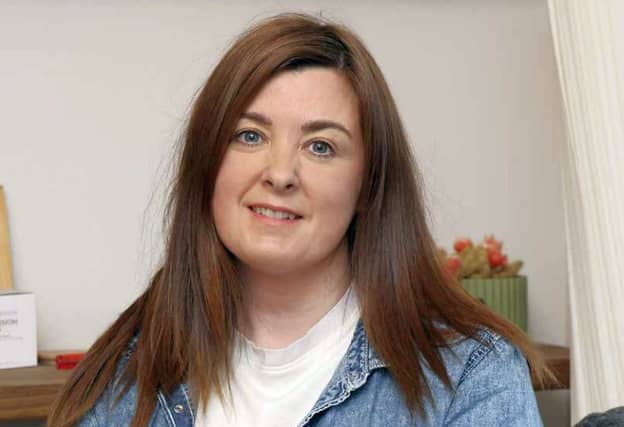

AS a Garda for 15 years, Sharon Coleman often brought vulnerable children to foster homes in the middle of the night. Many had experienced trauma and Sharon, who lives in Newbridge in North East Galway, was on the frontline ensuring their safety.
AS a Garda for 15 years, Sharon Coleman often brought vulnerable children to foster homes in the middle of the night. Many had experienced trauma and Sharon, who lives in Newbridge in North East Galway, was on the frontline ensuring their safety.
When social workers were unavailable out of hours, foster carers would step in to provide immediate assistance and support.
She recalls the warmth of those homes and the invaluable service foster families provided. This stayed with her long after those calls ended.
Sharon is now experiencing the system from a new perspective and is fostering two brothers aged eight and four, alongside parenting her own sons, aged 15 and 12.
“I was a Garda for 15 years and I saw the other side of it,” she explains.
“A foster carer would always be there when needed and there was always a lovely atmosphere in those homes. It was amazing. I thought about fostering for a long time and eventually I made the decision to resign. I said to myself it was now or never.”
Sharon is fostering as a single parent and says many people are surprised to learn that fostering is open to a wide range of applicants.
“A lot of people think fostering isn’t for them. They think that if they are single, they wouldn’t qualify. But you won’t know unless you pick up the phone and ask.
“It’s very open. Single people, couples and same-sex couples can foster. It’s much broader than people realise and honestly, I don’t see any negatives in it.
“I feel a lot of pride that I am helping a child that may not have been helped without me. You are giving them a safer world and you can’t measure that. It is fabulous.”
To foster, applicants must be over 25 years of age, have a spare bedroom available, be in good health with a reliable support network. There is no upper age limit. A full driving licence is required due to the number of appointments and activities children in care attend.
Where foster carers have children of their own, the youngest should be at least 3 years old, but you do not need children to foster. The assessment process takes up to six months and includes a training course entitled ‘Foundations for Fostering’. Once the steps are completed, applicants go to the Tusla panel in their area.
Fostering for Sharon has transformed her family life.
“It has really enhanced our lives as a family,” she says. “It has been so rewarding to welcome these two boys into our home.
“They came to me separately. The older boy (eight) is with us for nearly a year now and I can see the growth in him. He came from a traumatic background and now he is blossoming. He is taking part in activities he was never involved in before and his confidence has grown. He is a wonderful child.”
Last month, she welcomed his younger brother (four) into the fold and describes how fostering has broadened their understanding of the world.
“He is full of energy, just like any normal four-year-old,” she continues.
“My sons embraced the boys as brothers straight away. It was very natural and there is a real sibling bond between them. My kids just took to them and will defend them to the hilt. It has shown them that the world is not always a happy place for everyone.”
The level of support available to her from Fostering First Ireland “exceeded her expectations”.
“From the very first phone call with Fostering First Ireland it was a lovely experience,” she says. “I have my own social worker and there is so much support available. It’s like an extended family. There are carers’ groups every month where people can share advice and experiences. That support makes a huge difference.”
Children entering care often come from very difficult circumstances, Sharon explains, and benefit greatly from routine and stability. Love, along with support from extended family and the wider community, has helped the boys settle quickly. Living in a rural area has also brought a strong sense of belonging.
“When they come into your home the chaos stops. They are welcomed into a safe place and that is a lovely thing. They are only little people, and they just need someone to care for them. There is no secret to it. They need consistency and care to thrive,” she says.
“It is massive for our family. For my mum, they are her grandkids in her own eyes. There’s no difference. They all call her Ninny. My brother, Jason, is the same. He collects them for rugby training with his own boys and that familiarity really helped them to settle and feel safe.”
Placements can be short or long-term depending on the court order in place, and Sharon explains that foster carers play an important role in supporting connections with children’s families.
“We are parenting for now,” she says.
Sharon is sharing her experience as part of Focus on Foster Care Week 2026, a national campaign organised by Fostering First Ireland to encourage more people to consider becoming carers.
There are more than 6,000 children in care in Ireland, a figure that continues to grow, and Fostering First Ireland says more carers are needed.
Sharon encourages anyone considering fostering to take the first step.
“If you’ve been on the fence, just pick up the phone,” she says. “You could change a child’s life, and it is an amazing thing to be part of.”
To find out more, contact Fostering First Ireland on 01 417 1944 or visit fosteringfirstireland.ie.