

Wet conditions have made life very difficult for sheep farmers
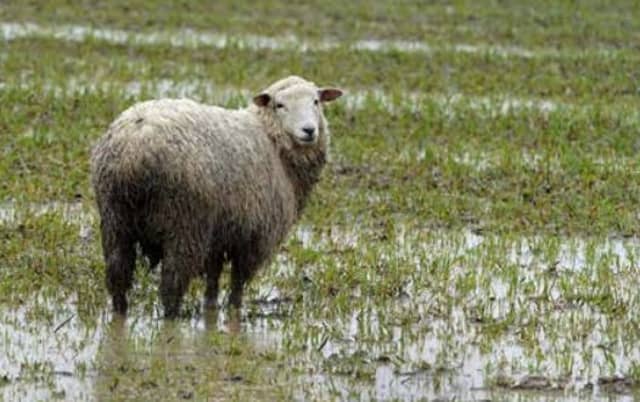

SHEEP farmers are managing some of the most difficult lambing conditions in years, following one of the wettest starts to the year in recent memory. Saturated ground has slowed the spread of fertiliser, and grass growth continues to struggle to meet typical springtime goals.
The turnout timing is crucial. When the circumstances allow, lambs that are robust, energetic, and adept at nursing should be released as early as two days of age. Lambs should be turned out in the morning to allow them to acclimate before the temperature drops overnight, and the last check before nightfall is essential.
However, some flocks are being forced outdoors in unfavourable weather due to housing pressure. Careful selection is essential in these situations. Lambs with little wool cover should ideally be kept indoors, although single-bearing ewes should be given priority for early turnout. Disposable lamb jackets can give temporary protection from cold and rain, but their effectiveness is often limited to a few days.
Farmers are recommended to release small groups of 10 to 15 ewes into sheltered fields with grass covers more than 5 cm to reduce the possibility of mis-mothering. Until they are sufficiently supported by higher grass growth, thin ewes or those with low milk production should stay inside.
Spreading ewes and lambs over wider regions during wet conditions lessens grazing strain and keeps lambs from separating from their mothers. Combining established groups can increase grazing efficiency and promote grass regrowth starting at two weeks of age, excluding problematic cases.
Paddocks can be divided more easily and affordably with temporary electric poly-wire fence, which also increases animal performance and grass utilization. Proper earthing of fencers, powering from the open end of the reel, and regular checks for breaks are essential to ensure reliability.
Fertiliser planning is also very important. This spring, delayed fertiliser application is a major problem. Once ground trafficability improves, farmers are encouraged to move swiftly and have product on hand. Ensure soil temperature reaches five degrees and rising, before spreading fertiliser.
It is advised to apply 20–30 units of nitrogen per acre (25–37.5 kg/ha) to grazing ground, starting with drier areas and modifying rates according to stocking density.
Maintaining grass growth rate will be essential to lowering reliance on concentrates later in the season, even if conditions allow for smaller, spaced applications of fertiliser.
Supplementation requirements should start to change from ewes to lambs five weeks after lambing. In situations when there is a shortage of grass or strain on lamb growth, targeted creep feeding at a daily rate of about 300g per lamb has been shown to be financially beneficial.
There are two exceptions: ewes raising triplets and yearling ewes lambing starting in March, both of which would need ongoing concentrate care in addition to lamb creep access. When the supply of grass is adequate, thin twin-rearing ewes with poor body condition may benefit from short-term supplementation of up to 0.5 kg per day
During the early stages of lactation, nutrition is crucial. In addition to ad lib high-quality silage or hay, twin-rearing ewes in good physical condition usually need 1.5 kg of an 18–20% crude protein high-energy meal per day, which provides around 400g of total protein daily. Single-rearing ewes could manage on roughly 1kg per day. To avoid excessive mobilization of body reserves, thin ewes at lambing may benefit from an extra 0.5 kg per day.
Concentrate feeding can be divided into two feeds spaced at least eight hours apart to optimize utilization and lower the risk of digestive problems. Sometimes the importance of water can be overlooked. Depending on their consumption of dry matter, lactating ewes may consume more than 11 litres per day.
Drinkers need to be inspected every day for cleanliness and functionality. Lambs also need access to fresh water as they become older, especially if creep feed is introduced.
Wet weather increases health concerns. Ewes need 4g of magnesium per day, or 8g of Cal-Mag, to prevent grass tetany, which is still a serious problem. To promote sufficient consumption, several high-magnesium buckets should be positioned near grazing areas. Due to the possibility of copper toxicity in sheep, farmers are advised to steer clear of cattle mineral products.
Coccidiosis, which usually manifests as diarrhoea and requires immediate treatment, is a health risk to lambs between the ages of two and nine weeks. For lambs between the ages of six and twelve weeks, Nematodirus battus infections typically peak in late March or early April and should be treated with a white drench when appropriate.
There is also an increasing risk of mastitis, which requires early detection and prompt treatment. The most prevalent cause of lameness in lambs is still scald: footbathing and early intervention can stop it from spreading within groups.
*Ciara Collins is a Business and Drystock Advisor with Teagasc, Athenry.