

Name of the game to put the heavy Galway rain behind us
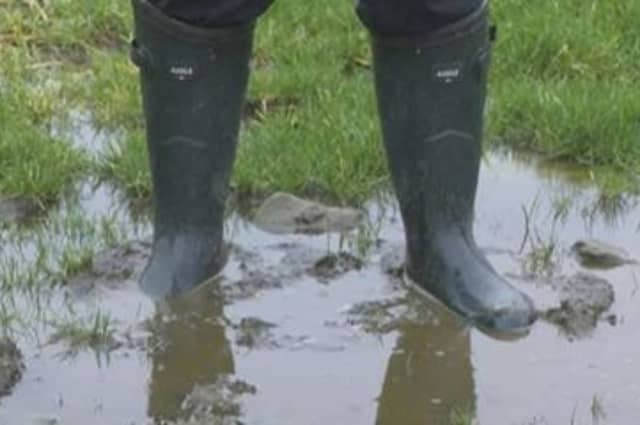

Spring 2026 has been one to forget on nearly all farms due to the very wet weather. This rainfall has created a lot of extra work, increased costs and reduced production on all farms, especially heavy farms, writes Michael Donoghue of Teagasc.
However in the last week or so the rain has stopped and temperatures are improving. How we react in the few weeks is critical to making a success of the rest of 2026.
Many dry farms are broadly on track with 60 – 70 units of N spread and maybe halfway through the second round of grazing.
For these farmers it’s about keeping pre-grazing covers at 1,400Kg/ Ha, cover per cow between 160 and 190 and managing supply and demand as we enter rapidly increasing growth rates.
On heavy farms grazing for many is only after properly getting going in the last week or so, they might have 30% to 50% grazed. Either way the next few weeks is going to be about trying to correct grass quality for the summer ahead.
READ MORE: Anger growing in Galway over bid to build major gas plant near Athenry
Aim to graze lower covers, less the 1,200 Kg/ Ha if possible as this will help to get through ground, cows will do less damage and they are easier clean out, thus regrowth will be quicker and better quality.
The reality is on these heavier farms the first round of grazing is unlikely to be finished before regrowths get ahead for the cows.
So as we head into May, the heaviest covers should be cut for bales. Do not leave them go in with the first cut as the ground will be out too long.
Often June is one of the poorest months for Protein % on farms and this is nearly all down to cows grazing poor quality grass. So make sure to have after grass coming into the cow’s diet in June.
On the fertiliser side of things, hopefully 20 or 30 units of N were got out in March/ early April and now it is a matter of topping this up to around 70 units.
If no fertiliser has been spread go with 50 units of N. The above is vital as all farms especially heavier farms need to maximise growth over the next 5 months.
Silage reserves have been significantly run down or exhausted on many farms after an early autumn and now very late spring. Between this and higher silage costs the temptation will be to “go for a bit of bulk” with the 1st cut. However if u intend to be milking off this silage, quality is paramount.
READ MORE: Galway workplace wellbeing specialist highlights problems caused by stress and exhaustion
Meal required for 27L of Milk with Average v Good silage
Average Silage: 69 DMD + 8 Kg ration = 27L
Good Silage: 75 DMD + 4 Kg ration = 27L
In the above example 4kg of extra ration was required for the same milk yield because of poorer quality silage. This high-quality silage is a must for milking cows but also replacement heifers etc. There are many factors that affect silage quality, like soil fertility, grass varieties, weather and so on, but short-term cutting date is the most critical. So aim for mid-May when weather allows for first cut.
Remember bull ratios – a young bull should be good for 15 cows/ heifers, while mature bulls should be good with 25 cows/ heifers
Most spring calving dairy herds in Galway are a week or two away from breeding. High dairy EBI straws and high DBI beef straws should be in the pot.
Bulls should be fertility tested, as it seems increasingly more bulls are showing up as infertile or sub fertile, so get them checked out as the next three months represents a heavy workload for them.
Remember bull ratios – a young bull should be good for 15 cows/ heifers, while mature bulls should be good with 25 cows/ heifers.
Body Condition Score, BCS, on most farms has held up reasonably well, probably better than production. This is critical to the success of the 2026 breeding season. Leafy grass is the best quality feed cows can get, so avoid heavy/ steamy swards with cows and feed 2 to 3 kg meal.
If BCS is less than required put these cows on Once A Day milking. Leave them with the herd, just mark her and only milk her in the morning or evening whatever you want. This should be done asap and last for about four to six weeks.
Spring 26 has been one to forget in the main but the milk season is only really getting going now.
So getting cows back in calf, managing grass to maximise quantity and quality, while also building silage reserves for the winter of 2026/7 is the name of the game now.
Michael Donoghue is a Teagasc Farm Advisor.