

Coroner: hospital CCTV could prevent deaths
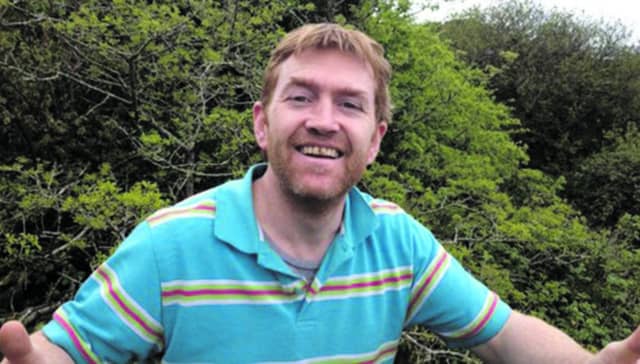

The Coroner for West Galway has asked the head of UHG’s psychiatric unit to retain CCTV recordings for 48 hours – double what it is currently – following the absconding of a voluntary patient last summer.
The inquiry into the death of Raymond Walsh (40), formerly of Whitehall Close, Lower Abbeygate Street, heard that no CCTV cameras had been recording the activity around the unit – as per regulations imposed by the Mental Health Commission (MHC) – when he disappeared on August 4.
It took eight days to locate him, and it was footage recorded from a neighbouring building that led the search parties in the direction of St Mary’s College, where he was found on August 12.
“That may seem reasonable, as it might be considered invasive of someone’s privacy to be under the scrutiny of their carers,” Dr Ciaran MacLoughlin said.
“There was a real-time camera at the front door to enable staff to identify any potential troublemakers, but it didn’t record.”
He quoted three cases, where patients had left this unit and died from self-inflicted injuries, adding that it was in the public interest to resolve the CCTV issue.
He said the imposed restrictions were either “a glaring omission” by the MHC, or that the interpretation of them was wrong.
He sought clarification from John Meehan, the head of mental health services in the HSE West region, who attended the resumed hearing at Galway Courthouse last week, after it had been adjourned in April.
Mr Meehan had put the queries to the Mental Health Commission which responded to say that the guidelines had changed this year.
The letter stated: “The approved centre may use CCTV to monitor resident’s health and wellbeing.”
He said that at the time, cameras recorded the hospital’s entrances and exits, but that Mr Walsh had left via a fence in the psychiatric unit’s garden. Since his death, cameras record the perimeter the entrance to the unit – but the footage is wiped after 24 hours.
“Verbal feedback to staff was always that we couldn’t record – when the MHC visit they may say it [the current set-up] is not appropriate, but we went ahead anyway,” Mr Meehan said.
“We are interpreting the regulations by situating the cameras in areas that monitor health and wellbeing, and security. We have a new-build due to be completed at the end of this year, and there will be CCTV in situ.”
He added that the 24-hour loop recording was recommended by a security advisor, but he made a commitment to discuss the Coroner’s suggestions of doubling this period to 48 hours.
“I can’t see a problem with it, but I will check,” he said.
Dr MacLoughlin then returned a verdict in accordance with the medical evidence, that Raymond Walsh died on August 4 2015 from asphyxia due to hanging.
“I hope that in the manner in which he left the hospital – should it occur again with another patient that he or she will be seen and identified leaving the premises, and a search can be embarked on, to prevent something like this happening again,” he said.
“One of the functions of the inquest is to identify deficiencies in any systems, and make recommendations.”
Meanwhile, Cllr Pádraig Conneely was informed at this week’s HSE West Regional Health Forum that the security system had been upgraded by installing additional cameras on campus.
Cllr Conneely welcomed the news from Tony Canavan, Chief Officer of Saolta University Health Care Group, saying access to more camera footage would have been helpful to investigating Gardaí at the time.
There is an annual serivice and maintenance contract in place in relation to the CCTV system in UHG, which identifies faults, repairs or improvements required, said Mr Canavan.
Since January of this year, there had been six instances of repairs carried out to these cameras he added.