

Young cancer survivor who was told she couldn't conceive gives birth to miracle baby in Galway hospital
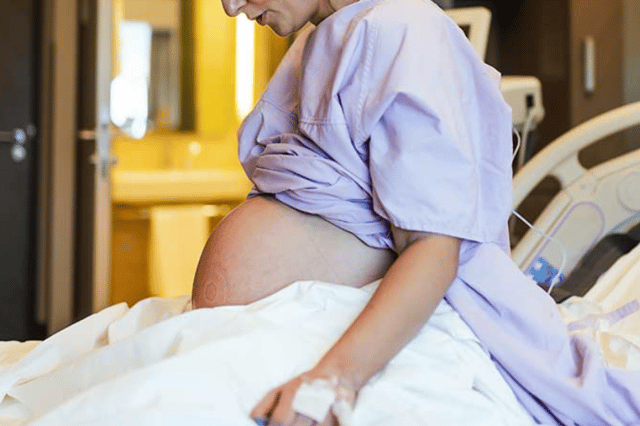

After receiving treatment for leukaemia, the 28-year-old woman had been diagnosed with ovarian failure and told she could not have children
Doctors in Galway have documented an extremely rare case in which a young cancer survivor who was told she was unable to have children following intensive treatment for leukaemia discovered that she was pregnant.
The 28-year-old woman had been diagnosed with acute lymphoblastic leukaemia in 2017 and underwent multi-agency chemotherapy, drug therapy, and a subsequent bone-marrow transplant abroad.
Following the completion of her treatment, she developed secondary amenorrhoea – the complete absence of menstrual periods – and was diagnosed with premature ovarian failure, meaning she could not have children.
She remained without periods from 2017 to 2025, with laboratory blood tests consistently confirming premature ovarian insufficiency, and hormone levels showing that her ovaries were still failing.
In a letter to the Irish Medical Journal, however, doctors at the Department of Obstetrics and Gynaecology at University Hospital Galway (UHG) reported that the young woman was referred to the maternity clinic after unexpectedly discovering that she was pregnant.
She had attended hospital complaining of lower abdominal discomfort and a feeling of movement in her abdomen. It turned out that she was approximately 22 weeks pregnant.
The doctors suggested their experience meant that female cancer survivors should never be assumed to be permanently infertile, even in the presence of laboratory markers indicating total ovarian shutdown.
Serial ultrasound scans showed normal fetal growth throughout the pregnancy, while maternal heart scans confirmed her cardiac function had recovered, with the only notable complication being gestational diabetes managed with insulin.
At 35 weeks and five days’ gestation, the woman presented at the hospital in spontaneous labour and delivered a healthy baby girl weighing 2.9kg (6.4lb).
The authors noted that, while cancer therapies frequently damage reproductive organs, ovarian recovery has been documented in a small subset of survivors.
“This case underscores the importance of counselling reproductive-age cancer survivors regarding residual fertility potential, even when amenorrhoeic with laboratory features suggestive of ovarian insufficiency,” the doctors wrote.
The team called on healthcare providers to routinely offer appropriate contraception advice to young cancer patients who do not wish to conceive, while recommending that post-transplant pregnancies receive specialised multidisciplinary care across obstetrics, haematology, cardiology, and endocrinology.