

Being ‘Killed with the Busy’ may not be the road to take


Country Living with Francis Farragher
ONE of my former bosses had a great phrase, which I think may have been of Conamara origin, when it came to describing who either had too much to do, or thought they had. “How are ya: are you Killed with the Busy’, he’d proclaim with a little bit of mischief in his expression about your work plight.
There was another good one too which I heard on a building site during one of my summer sojourns in the land of the shovel, when a workmate, who was always very wary of ‘foremen’ would tell us to ‘spread out’ because ‘there’s too many of ye in it’. In other words, little huddles of labourers together would indicate that there was no work being done.
Another former boss, this time ‘a man of the print’ confided in me one day that if at all possible ‘he liked to employ country lads’, as they were more used to labour, with the work ethic ingrained in them from ‘doing the jobs’, like feeding sheep and cattle or spending long summer days in the bog or the hayfields.
There would be a certain pride too in being regarded as ‘a good worker’ with aspersions cast on ‘lazier lads’ known for avoiding at all costs anything by way of strenuous jobs. All very honourable and praiseworthy . . . that is until at some point of our lives, we get to the stage where the time doesn’t seem to exist to fit in all of the tasks that present themselves, whether it be job, farm or home.
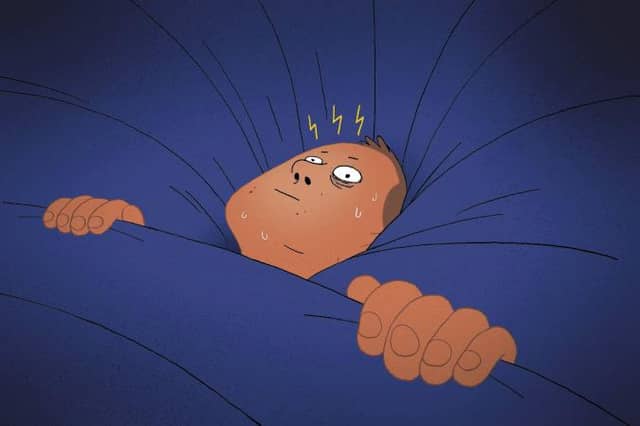
Back the years, we weren’t really familiar with the term ‘burnout’ which gradually came more into the consciousness when we’d hear of someone renowned for working long hours, who had now almost slipped into a semi-vegetative state of idleness, disinterest and just not caring about the world anymore. A transition from being a full-blown workaholic to a state of exhaustion which rendered even the smallest of tasks, just too much to do.
‘Psychology Today’ define burnout as ‘a state of emotional, mental, and often physical exhaustion, brought on by prolonged or repeated stress. Though it’s most often caused by problems at work, it can also appear in other areas of life, such as parenting, caretaking or romantic relationships’.